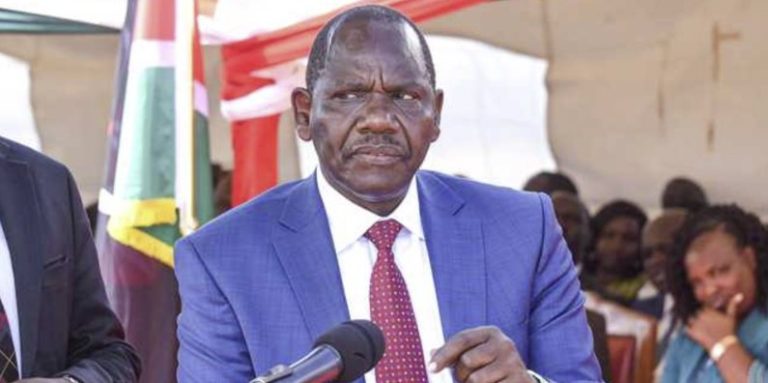
Mumias East Member of Parliament (MP) Peter Salasya has questioned the push to have Nairobi Senator Edwin Sifuna run for the presidency in 2027.
Salasya says the ongoing efforts to position Edwin Sifuna at the centre of Western Kenya politics raise important questions.
Genuine momentum?
“Is this momentum genuinely about strengthening the opposition, or is it being driven by individual political interests that could weaken both DAP-K and the broader united opposition ahead of the 2027 General Election?” he asked.
“To understand this debate, it is important to examine the key players objectively. There have been claims that after winning his parliamentary seat on a DAP-K ticket, Jack Wamboka expected to become the party’s Secretary-General.
“According to this view, Eugene Wamalwa declined because he believed Wamboka’s role as Chairperson of the Public Investments Committee placed him too close to the broad-based government, while DAP-K had chosen to remain outside that arrangement. This disagreement is said to have contributed to tensions within the party.”
“Similarly, there have been reports of disagreements involving George Natembeya, who was perceived by some as seeking greater control within DAP-K, including leadership changes. Regardless of differing interpretations, these developments have reflected internal competition rather than unity.”
Salasya also questioned moves by Senator Boni Khalwale, who is continuing to reposition for the Kakamega gubernatorial race and Cleophas Malala has also shifted political alliances over the years.
“Against this background, the current promotion of Edwin Sifuna should be examined carefully. In my opinion, some of those encouraging his presidential ambitions may be motivated more by personal political calculations than by what is best for the opposition or for Western Kenya. If this is the case, it risks damaging both Sifuna’s political future and the broader objective of building a strong, united coalition for 2027,” Salasya said.
“History provides lessons. In 2013, many in Western Kenya supported Raila Odinga’s presidential bid, yet the candidacy of Musalia Mudavadi divided part of that support. In 2022, the region again experienced political divisions as different leaders backed different presidential candidates, contributing to a split in voting patterns.”
Challenges for the opposition
The first-term MP also pointed out the challenges the opposition outfits are facing and gave a suggestion on how they should go about getting the candidates for the 2027 presidential race.
“As Kenya moves toward 2027, the opposition faces a different challenge: remaining united. If opposition leaders begin competing against one another before agreeing on a common strategy, they risk weakening the coalition’s chances of presenting a credible alternative to the Kenya Kwanza administration,” he added.
“Eugene Wamalwa remains one of the most experienced opposition leaders from Western Kenya. Whether as a presidential candidate, running mate, or senior coalition leader, his political experience and relationships within the opposition could make him an important asset in coalition negotiations. Any decisions about leadership should therefore be guided by strategy, public support, and the collective interests of the opposition rather than by personal ambition.”
Salasya also appealed to Western Kenya leaders to exercise patience and place the interests of Kenyans above individual political ambitions.
“The country is looking for a united opposition capable of offering credible leadership in 2027. Political divisions that appear to prioritise personal interests over national unity could erode public trust, not only in individual leaders but also in the region’s political leadership as a whole,” he explained.
“Ultimately, the success of the opposition will depend on unity, discipline, and choosing leaders through consensus and public confidence rather than through competing personal agendas.”