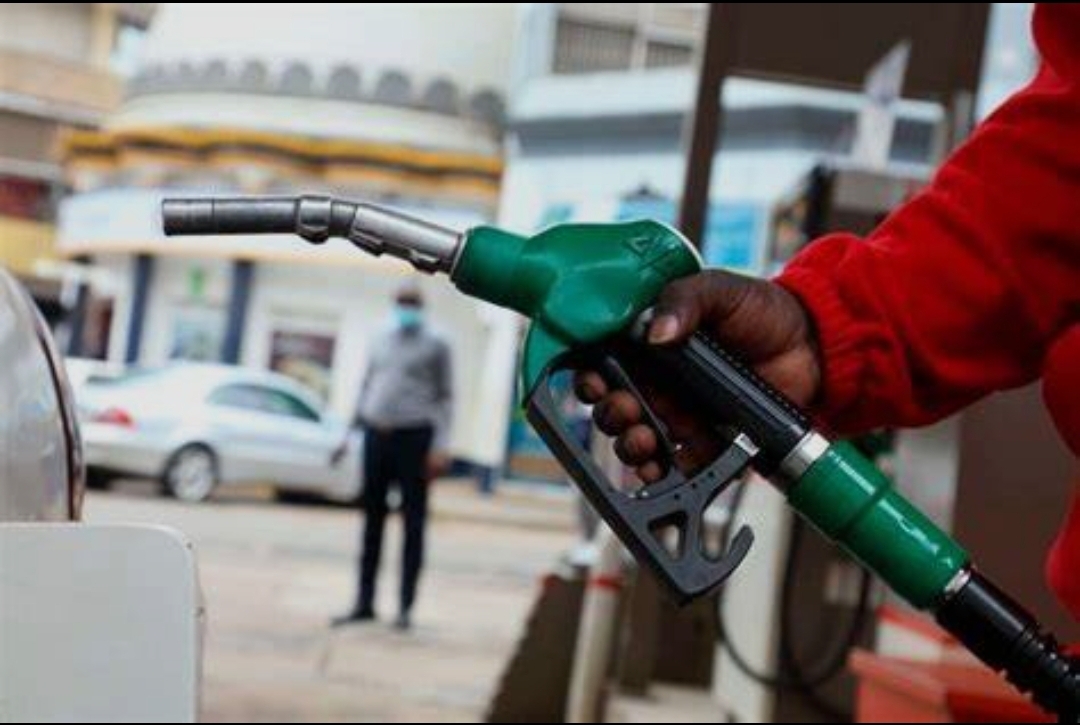
The Energy and Petroleum Regulatory Authority (EPRA) has reduced the maximum retail price of diesel by KSh5 per litre, while prices of Super Petrol and Kerosene will remain unchanged for the period running from August 15 to September 14, 2026.
In its latest monthly pricing review released on Friday, EPRA said the decision was supported by additional Government Stabilization Support Measures amounting to KSh938 million. The measures have helped cushion consumers from changes in international petroleum prices, particularly for Super Petrol and Kerosene.
The new prices will take effect from midnight on August 15 and remain in force until September 14, 2026.
Nairobi Prices
In Nairobi, a litre of Super Petrol will retail at a maximum of KSh214.03, down from the previous price, while Diesel will cost a maximum of KSh217.86 per litre.
Kerosene will retail at a maximum of KSh191.38 per litre.
EPRA said the prices are inclusive of Value Added Tax (VAT) and have been calculated in accordance with the Petroleum Act, 2019 and the applicable petroleum pricing regulations.
International Market Trends
The authority attributed the latest changes partly to movements in the landed cost of imported petroleum products.
According to EPRA, the average landed cost of imported Super Petrol increased by 6.99 percent, rising from US$886.92 per cubic metre in June 2026 to US$948.92 per cubic metre in July.
Diesel, however, recorded a significant decline of 13.08 percent, with its average landed cost falling from US$984.37 per cubic metre in June to US$855.59 per cubic metre in July.
The landed cost of Kerosene also declined by 11.01 percent, from US$1,028.17 per cubic metre to US$915.01 per cubic metre over the same period.
The movement in international prices was therefore mixed, with the increase in the cost of Super Petrol being offset, in part, by lower costs for Diesel and Kerosene.
Prices Vary Across the Country
EPRA’s latest schedule provides different maximum pump prices for various towns, reflecting differences in transportation, distribution and other costs.
In Western Kenya, a litre of Super Petrol will cost a maximum of KSh214.59 in Bungoma, KSh214.04 in Webuye, KSh213.94 in Kitale and KSh213.43 in Kakamega.
In Busia, Super Petrol will retail at a maximum of KSh214.75 per litre, while Diesel will cost KSh219.22 and Kerosene KSh192.77.
In Mumias, the maximum prices are KSh213.87 for Super Petrol, KSh218.28 for Diesel and KSh191.83 for Kerosene.
The schedule also shows higher prices in some remote parts of the country, largely reflecting the additional costs associated with transporting petroleum products to distant markets.
Mandera, for example, will record a maximum Super Petrol price of KSh234.68 per litre, Diesel at KSh240.04 and Kerosene at KSh213.56.
In Wajir, the maximum prices will be KSh228.60 for Super Petrol, KSh233.51 for Diesel and KSh207.03 for Kerosene, while in Moyale the corresponding prices will be KSh228.87, KSh233.80 and KSh207.32.
Government Subsidy Cushions Consumers
EPRA’s cost breakdown for Nairobi shows that the Government stabilization mechanism continues to play a role in moderating pump prices.
For Super Petrol, the pricing formula includes a stabilization component of KSh8.64 per litre, while Diesel receives a stabilization support of KSh19.28 per litre. Kerosene has a stabilization component of KSh0.89 per litre.
The stabilization measures are aimed at shielding consumers from the full impact of international petroleum price fluctuations.
EPRA said the petroleum pricing regulations are intended to cap retail prices for petroleum products already in the country, allowing importation and other prudently incurred costs to be recovered while ensuring reasonable prices for consumers.
Taxes and levies remain a major component
The authority’s Nairobi cost breakdown shows that taxes and levies account for a significant portion of the pump price.
For Super Petrol, taxes and levies amount to KSh74.29 per litre, compared with KSh63.50 for Diesel and KSh49.90 for Kerosene.
The components include excise duty, the Road Maintenance Levy, Petroleum Development Levy, Petroleum Regulatory Levy, Railway Development Levy, Merchant Shipping Levy, Import Declaration Fee and VAT.
EPRA said the latest prices are inclusive of VAT in line with the applicable tax legislation and regulations.
Exchange rate also considered
The pricing formula also takes into account the exchange rate because Kenya imports its petroleum requirements in refined form and international petroleum trade is denominated in United States dollars.
EPRA’s review indicates that the average USD-Kenya shilling exchange rate moved from KSh129.72 in June 2026 to KSh129.74 in July 2026.
The authority said petroleum products are traded in international markets against established pricing benchmarks before the costs are converted into Kenya shillings for purposes of determining local pump prices.
EPRA Acting Director General Dr. (Eng.) Joseph Oketch said the regulator remains committed to promoting fair competition and protecting the interests of consumers and investors in the energy and petroleum sectors.
The new maximum prices will apply across the country from August 15 to September 14, 2026, with retailers required to observe the applicable maximum pump prices for their respective location.