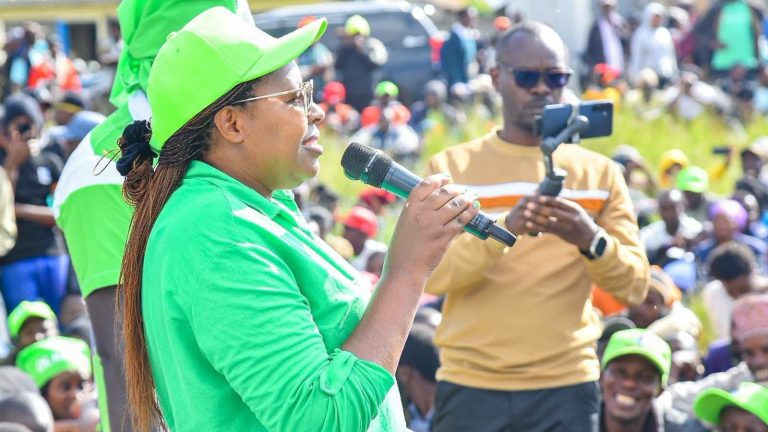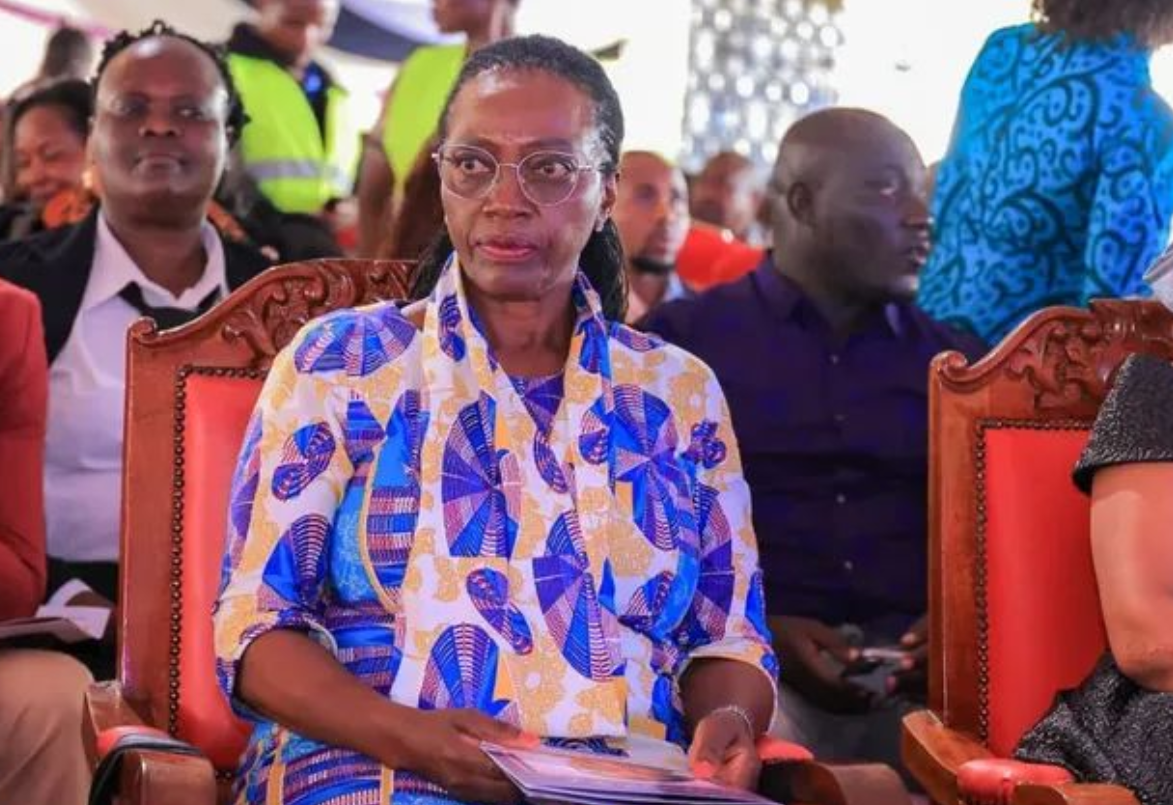
People’s Liberation Party leader Martha Karua has criticised the court findings on the impeachment of former Deputy President Rigathi Gachagua, saying the judgment was “flawed and troubling”.
In a statement posted on X, Karua argued that once the court established that the right to a fair hearing had been violated, the only option left to it was to nullify the impeachment.
“Damages cannot be a substitute to the right to fair hearing, and this pronouncement is a blot on our jurisprudence,” read her post.
She is among the many Kenyans that have contributed to the ongoing debate over the legality and procedural fairness of Gachagua’s impeachment process. Legal and political stakeholders have expressed mixed feelings over the court’s findings and implications of the ruling.
A three-judge bench of the High Court upheld the impeachment of Gachagua, determining that notwithstanding the violation of his Article 50 rights, the process was valid and final.
Justices Eric Ogolla, Freida Mugambi and Antony Mrima had found that the Senate violated Gachagua’s right to fair trial by declining to adjourn proceedings on medical grounds.
Self-executing process
However, they still went ahead to dismiss the consolidated petitions that sought to overturn Gachagua’s removal from office, affirming that the National Assembly and the Senate acted within their constitutional mandates.
The judges held that while courts retain jurisdiction to interpret the Constitution and determine whether constitutional limits were observed during impeachment proceedings, they were unable to reverse an impeachment process which had been completed through what they described as a self-executing process.
According to the bench, removal of a deputy president by impeachment is different from that of a county governor, distinction being that the former is a “constitutional finality”, while the latter was governed by statute and therefore open to judicial intervention.
The judges argued that the Constitution did not contemplate a situation where a court could reinstate an impeached deputy president after a successor had already been lawfully appointed under Article 149(1), noting that such a move would create the untenable scenario of “double incumbency”.
Other findings that have sparked debate include the holding that Kithure Kindiki’s appointment was legal, that public participation was reasonably conducted and the rejection of allegations of bias. They stated that the process under Article 149(1) did not require public participation, further finding no conflict of interest because Kindiki had resigned as Interior Cabinet Secretary before assuming the office of DP.