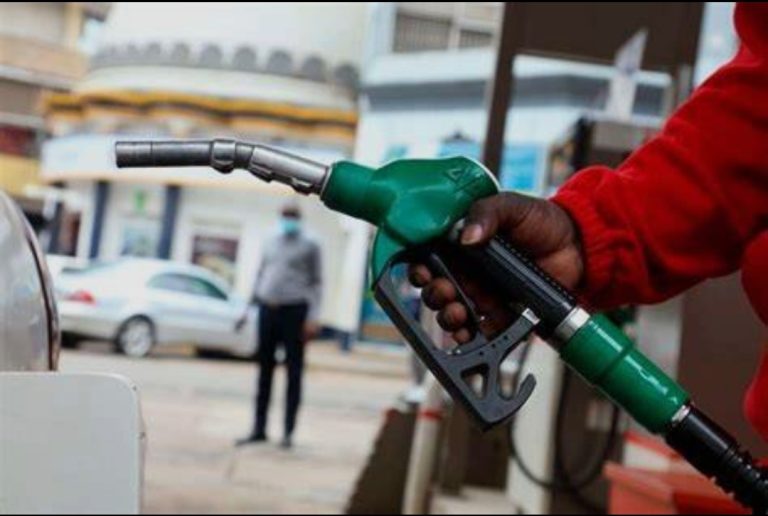
It also portends harsher times ahead for businesses struggling with decreased demand as a result of the high cost of goods, as this is likely to exacerbate the current inflationary pressures brought on by an increase in the costs of essential commodities, particularly food and fuel.
The Washington-based organization claimed in a new analysis that the current tax measures, which include increasing the normal value-added tax on fuel from eight to sixteen percent, will slow development in the short run.
On its 27th Kenya Economic Update, the World Bank stated that private consumption is expected to continue on a robust growth path, even though it will be dampened in the near term by the ongoing tax reforms to boost revenue and sustain fiscal consolidation.
The study, which is created twice a year, evaluates recent social and economic changes as well as future prospects in the nation.
In comparison to last year, when it grew by 4.8%, this year’s forecasted economic growth is expected to be 5%. The proposed tax measures, which will reduce most Kenyans’ disposable income, especially those who are employed, are expected to temper this development, though.
With Kenya’s risk of debt distress increasing from moderate to high, the government has implemented extensive tax measures in an effort to assist the nation in reducing its borrowing.
“The fiscal consolidation the government plans to implement is highly important. Aghassi Mkrtchyan, a senior economist at the World Bank, stressed how crucial it is for Kenya to create the surplus it is forecasting.
In addition to raising the fuel VAT, the Finance Bill, 2023 also suggests raising the pay-as-you-earn tax paid by employees earning a gross salary of over Ksh 500,000 from 30% to 35%. Additionally, it suggests 15% withholding taxes be applied to those who create digital content.
A digital asset tax will be levied on anybody who sell cryptocurrencies and non-fungible tokens. Mobile money transactions would be subject to increased excise taxes, which would also be applied to some cosmetics including false nails, wigs, and hair.
According to calculations made earlier, the take-home pay of employees earning a basic salary of Ksh100,000—who belong to Nairobi’s median middle-class family, per the KNBS’s computation of expenditure patterns—will decrease from the current average of Ksh76,041 to Ksh71,661.
After the government deducts the additional deductions for the National Health Insurance Fund, National Social Securities Fund, and the 3% reduction in their base wage to a new Housing Development Fund, this is what is left over.
Kenya’s commitment to enhance tax income has been applauded by the International Monetary Fund, and the government has been rewarded with an additional Ksh162.5 billion under the 38-month program.
“The challenges have received a timely response from the authorities. According to Haimanot Teferra, who oversaw the IMF mission to Kenya, government expenditure execution this fiscal year has been sensible and consistent with available resources.