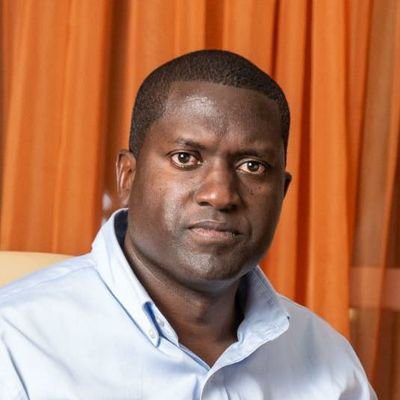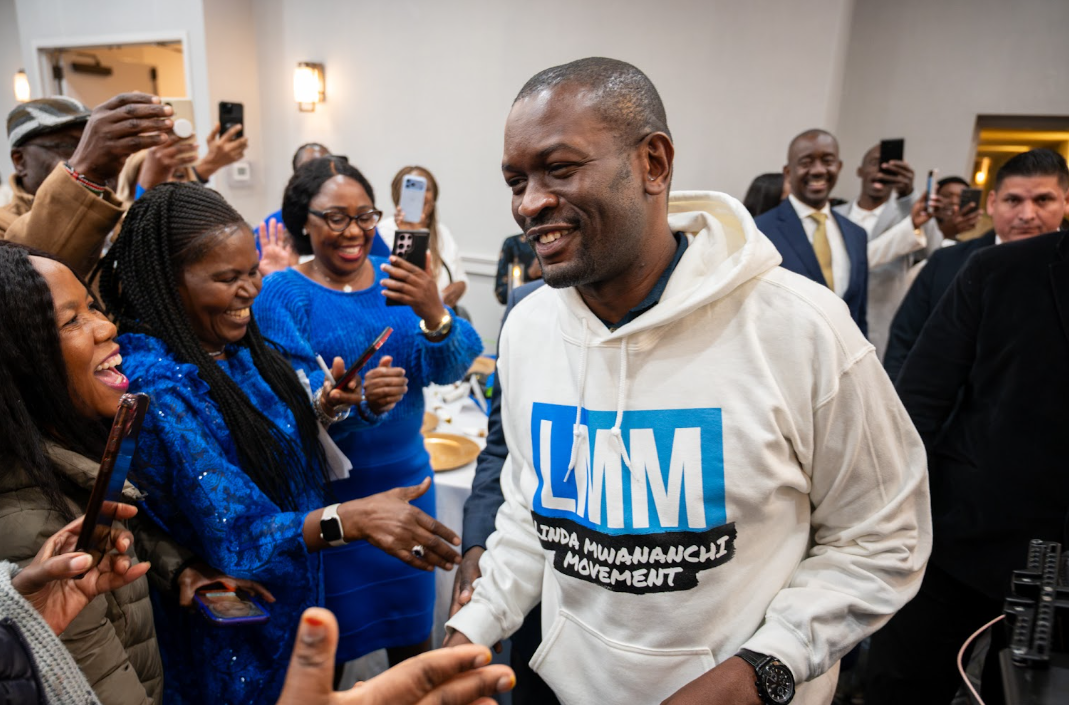
I have been privileged to participate in the organization and planning of the DMV engagements of some of Kenya’s leading political figures during their respective tours of the United States over the past two years.
Interacting with Rigathi Gachagua, Kalonzo Musyoka, Chief Justice Emeritus David Maraga and, most recently, Edwin Sifuna, has given me a front row seat to what discourse is important to Kenyans in diaspora.
My involvement in Sifuna’s visit was particularly significant because I had the opportunity to moderate his engagements in Maryland and listen closely as he responded to questions from Kenyans.
There is something fundamentally democratic about placing people who seek political power before citizens and requiring them to explain themselves. Democracy cannot merely be about elections every five years. It must also be about accountability, interrogation of ideas and the continuing obligation of leaders to explain what they intend to do with the authority they seek.
Feedback from some of those who attended the Maryland townhall suggests that Sifuna made the most compelling case about why he wants to lead Kenya. That assessment is not crosscutting, so it is legitimate to expect different conclusions.
On a personal note, I must state that I was particularly impressed by the clarity with which he addressed the problems facing the country and connected those problems with what he believes government should do.
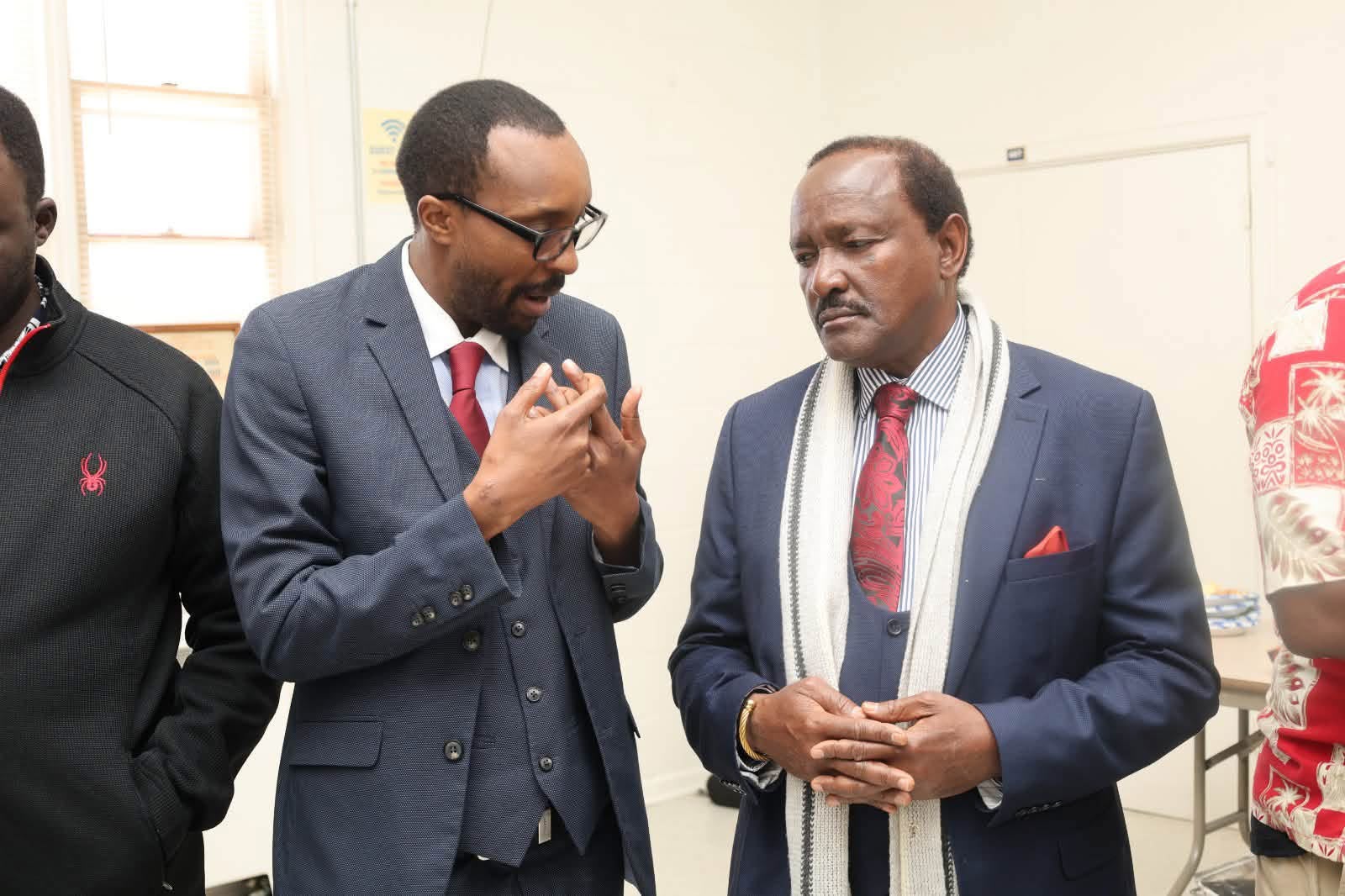
Deliberate strategy
More importantly, I did not hear a man operating under the illusion that replacing William Ruto automatically guarantees public approval. Sifuna appeared fully conscious that the same Kenyans demanding change today will demand accountability from whoever comes next. If the next government betrays the expectations of the people, it too will face their anger.
That understanding matters because political legitimacy is not a permanent entitlement conferred upon leaders by winning an election. It is sustained through performance, accountability and fidelity to the public interest.
This is also why I refuse to join the chorus that the opposition, and Sifuna in particular, has no agenda. I believe that narrow framing of issues is a red herring meant to sustain political conjecture and lobsided narratives.
It is Ruto’s deliberate strategy to reduce political competition to questions on whether anyone opposed to the government has ideas at all, such that opposition supporters find themselves spending more time fighting each other than interrogating the government they collectively seek to replace.
It would be a monumental political mistake if this internal cannibalism within the opposition was to be sustained because the greater challenge facing the Wantam movement is not the existence of different ambitions within the opposition. Ambition is normal in democratic politics, yet the challenge remains how to manage those ambitions without destroying the coalition necessary to achieve the larger political objective.
The enemy is not the opposition supporter who prefers another candidate and neither should disagreement over who should lead become greater than the agreement about why change is necessary.
I found Sifuna particularly persuasive when we discussed Kenya’s debt problem in Maryland. On the question of odious debt, his position, as I understood it, recognized the legitimacy of examining whether certain obligations should bind ordinary Kenyans where borrowed resources may have been abused. But he also emphasized accountability for those responsible for misusing borrowed funds.
That argument is important because Kenya must confront its debt problem without pretending that accountability begins and ends with creditors. If money was borrowed in the name of the Kenyan people and subsequently misappropriated, then those responsible must answer for it and recovery unambiguously put on the table. Protecting future generations requires both responsible debt policy and consequences for the abuse of public resources.
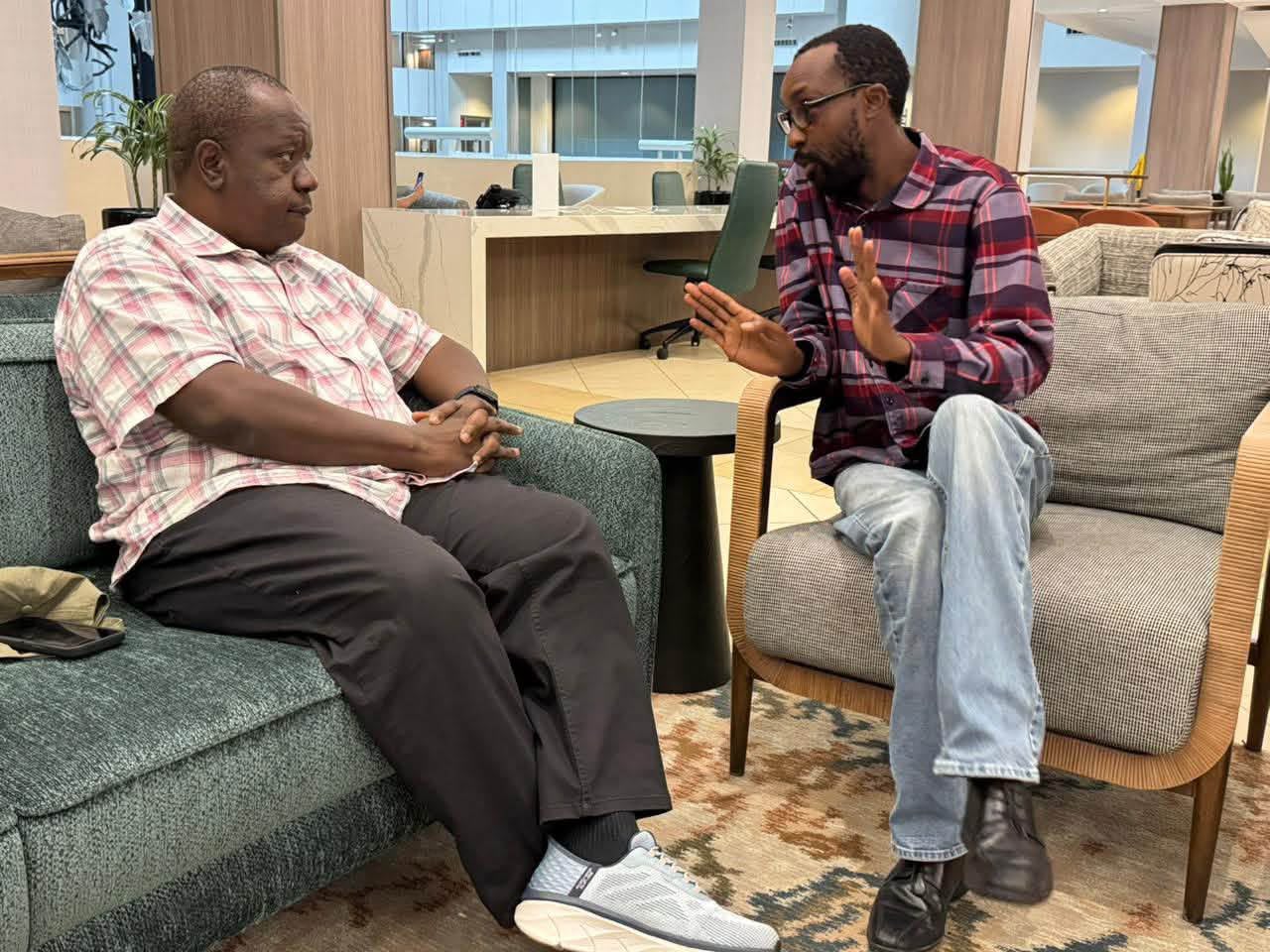
Difficult questions
Having substantive conversations demands that we interrogate Sifuna’s ideas, Gachagua’s sentiments, Kalonzo’s arguments, Maraga’s position, and every person presenting himself or herself as an alternative to the current administration.
While it is right to that those seeking the presidency must answer all the difficult questions, that scrutiny must not take the nature of friendly fire because that, too, can be more destructive to the unity quest. For me, opposition unity is nonnegotiable.
There comes a moment in political movements when leaders must decide whether history will remember them for the offices they individually pursued or for the national cause they collectively advanced. I believe Kenya has reached that moment.
Nothing prevents the opposition principals from competing vigorously for the opportunity to lead. But once a credible, fair and politically viable process produces a candidate, everyone else must have the courage to stand behind that person.
And if I am allowed to make one cheeky observation then I would fire that if Gachagua, Kalonzo, Martha Karua, Fred Matiang’i, Eugene Wamalwa and the other opposition principals woke up tomorrow and said, “Sifuna tosha. Sisi tuko nyuma yako”. This might as well mean that the election will be decided even before a single Kenyan arrives at the polling station on 10 August 2027.
I say that with a smile, but the principle behind it is deadly serious because the mission is bigger than Sifuna, Kalonzo, Gachagua or any individual political ambition.
If removing William Ruto represents the common political objective, then unity must become the discipline that sustains it because the enemy is not within the opposition. Let us stop behaving as though it is.