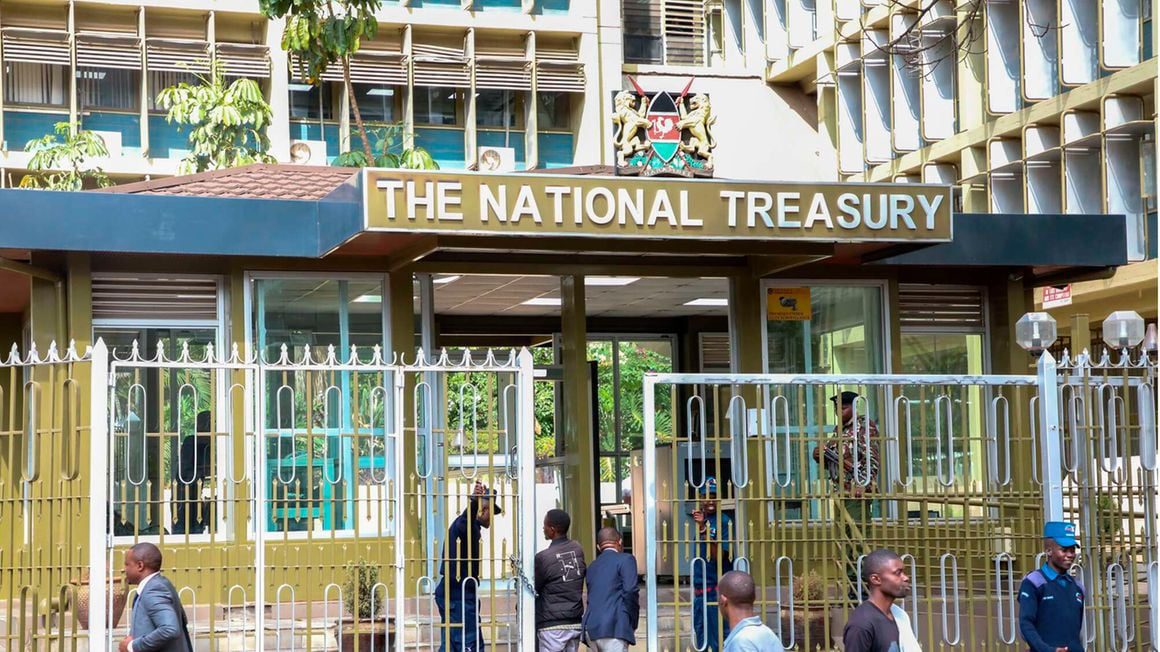
A plan to impose a tax on vendors who provide goods and services to the State has been met with opposition from vendors who claim it would equate to indirect taxation.
The idea to having the Public Procurement Regulatory Authority train public and private organizations on public procurement was criticized on Thursday by the Association of Public Sector General Suppliers.
“Granted the right to raise funds is key to sustainability of key government institutions, we as the association totally oppose this proposed levy,” said the lobby.
This week, the National Treasury proposed the Public Procurement Capacity Building Levy, which would be assessed at a rate of 0.03% of the contract value on businesses that provide products and services to the government and contractors.
That would entail charging a contractor KSh 300,000 for a project worth KSh 1 billion. A company that supplies goods worth KSh1 million would also be charged KSh300.
“PPRA as mandated should leave capacity building to relevant NITA (National Industrial Training Authority) accredited as well as Ministry of Education registered institutions,” said the lobby.
According to the PPRA, the funds would be used to provide adequate funds to facilitate provision of sustainable capacity development, technical support, and mentoring of all persons participating in the public procurement and asset disposal system, facilitate realizing value for money, fiscal savings, and ensure quality service delivery.”
But the group says it will keep objecting to the measure and accuses the government of being desperate to tax businesses.
“We strongly believe that governments should not look for indirect modes to tax businesses,” it stated.
In light of the government’s proposal and the share of public procurement in Kenya’s GDP, the annual revenue might reach KSh 500 million.
Public procurement ranges from KSh1.45 trillion to KSh1.89 trillion, accounting for 10% to 13% of the KSh14.5 trillion GDP in the year ending June 2023.
This includes both the products and services the government purchases and the contracts it enters into.
The PPRA contends that corruption, bureaucracy, and inefficiency have hampered Kenya’s public procurement, and it suggests that the tax will assist in cleaning up the problem by educating and empowering individuals and public procurement organizations.