Kenya has voiced sharp criticism of Iran’s expanding military actions in the Middle East, labeling the spread of strikes across multiple countries a dangerous escalation that endangers worldwide stability.
Kenya has strongly condemned Iran’s strikes spreading the Middle East conflict to Gulf nations, urging de-escalation and multilateral talks.
In a statement shared on X, President William Ruto explicitly condemned the missile and drone attacks launched by Iran against the United Arab Emirates, Qatar, Saudi Arabia, Iraq, Oman, Kuwait, Jordan, and Bahrain. These strikes followed joint U.S.-Israeli operations on Iranian targets, including the reported killing of Supreme Leader Ayatollah Ali Khamenei, which ignited rapid retaliation.
“It is evident that the regionalisation of this conflict poses a grave threat to international peace and security,” Ruto said. He stressed that established multilateral bodies, such as the United Nations, remain essential for addressing the crisis and preventing further chaos.
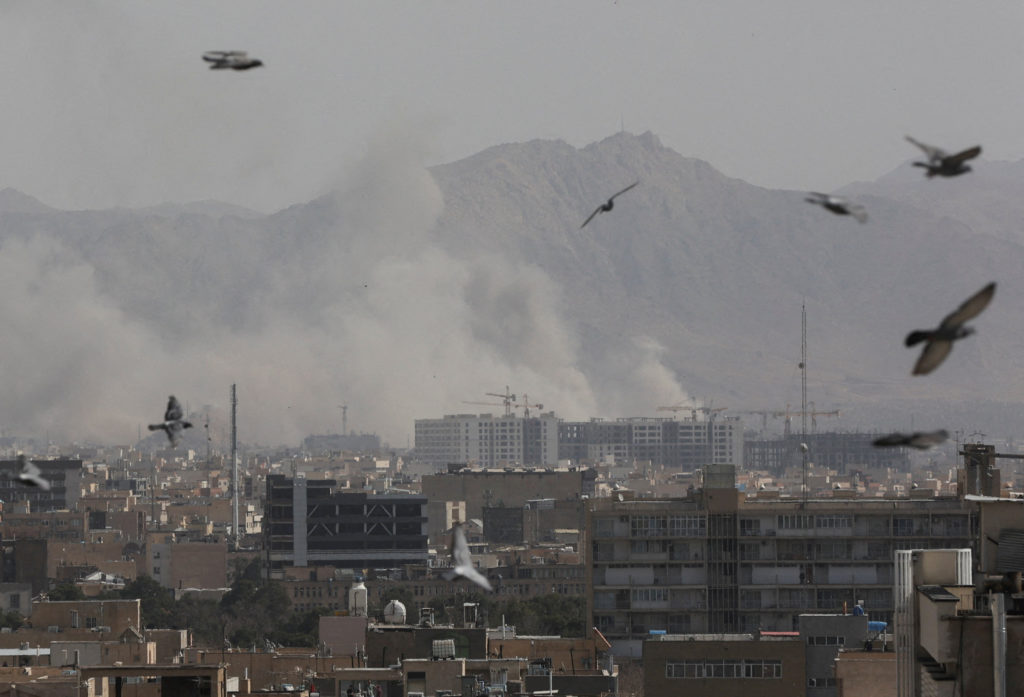
The president’s remarks come at a tense time. Reports confirm explosions and interceptions across Gulf capitals, with debris causing damage to civilian sites like airports and ports. Several nations closed airspace, airlines halted flights, and thousands faced travel disruptions. Gulf states, many hosting U.S. bases, have united in denouncing the Iranian actions as violations of sovereignty.
Kenya’s position reflects concern for its large diaspora—over 400,000 citizens live and work in the Gulf region. Earlier advisories urged them to stay vigilant, register with embassies, and avoid risky areas.
Ruto urged immediate dialogue involving multiple parties to bring de-escalation. “At this defining and perilous moment in global history, longstanding multilateral institutions remain indispensable frameworks for the resolution of the current crisis,” he added.
Observers note Kenya’s stance aligns with broader calls for restraint from African and Global South nations, emphasizing diplomacy over military expansion. The conflict risks wider involvement, oil supply shocks, and humanitarian fallout.