

Pope Leo XIV sharply criticized what he described as a “handful of tyrants” driving global conflict and exploitation, delivering a forceful message of peace during a visit to one of the world’s most overlooked humanitarian crises.
Speaking in Bamenda, a city at the heart of Cameroon Anglophone separatist conflict, the pontiff urged world leaders to abandon violence and warned against the misuse of religion to justify war. His remarks come amid heightened geopolitical tensions and renewed political reactions from global leaders.
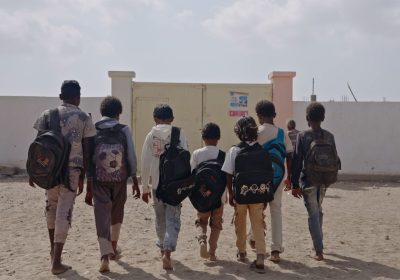
Thousands of residents lined the streets of Bamenda, celebrating the rare papal visit with songs, dancing and cheers. For many, the visit marked a moment of recognition for a conflict that has devastated communities for nearly a decade.
Pope Leo XIV presided over an interfaith peace gathering at St Joseph Cathedral, bringing together Christian, Muslim and traditional leaders in a symbolic show of unity. The initiative reflects grassroots efforts to end violence and support victims affected by the crisis.
“Blessed are the peacemakers,” the pope said. “But woe to those who manipulate religion and the very name of God for their own military, economic and political gain.”
He emphasized that faith should not be used to deepen divisions, warning that such actions fuel instability and prolong suffering in conflict regions.
The pope remarks came amid broader global tensions, as debates continue over security threats and international conflicts. While he did not directly name specific leaders, he warned against decisions that escalate violence.
“The world is being ravaged by a handful of tyrants, yet it is sustained by countless acts of solidarity,” he said, calling for a decisive change of course.
Cameroon Anglophone conflict traces back to its colonial past, when the country was divided between British and French control after World War one. English speaking regions later joined the rest of the country in a 1961 United Nations backed vote, but grievances over marginalization have persisted.
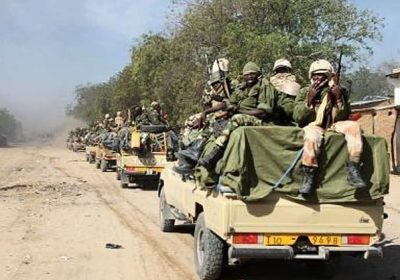
Violence escalated in 2017 when separatists launched an armed rebellion seeking independence. The conflict has killed more than 6,000 people and displaced over 600,000.
On the eve of the pope arrival, separatist groups announced a temporary ceasefire to allow safe passage for the visit, signaling a rare moment of restraint amid ongoing hostilities.
Despite such gestures, peace efforts have largely stalled. Negotiations facilitated by international mediators have repeatedly broken down, with both sides accusing each other of acting in bad faith.
Pope Leo XIV also highlighted the role of natural resources in fueling conflict, warning that exploitation often finances prolonged violence and instability.
Cameroon is rich in oil, natural gas and valuable minerals, making resource extraction a key part of its economy. Competing interests over these resources have contributed to tensions in affected regions.
“Those who exploit the land often channel profits into weapons, perpetuating cycles of violence and suffering,” the pope said.
He described the situation as a world turned upside down, where economic gain comes at the cost of human life and dignity.
The pope is expected to celebrate Mass in Bamenda before continuing his African tour, which focuses on promoting peace, reconciliation and social justice.
His message in Cameroon underscores a broader appeal for global leaders and communities to reject violence and work toward lasting peace.