Kenya is preparing to export hundreds of thousands of live sheep to Algeria this year as the North African nation seeks large livestock imports ahead of the upcoming Eid al-Adha celebrations.
The potential deal follows high-level engagements between Kenyan and Algerian officials aimed at strengthening livestock trade and expanding broader agricultural cooperation. Authorities say the arrangement could evolve into an annual procurement program worth billions of Kenyan shillings, creating a stable export market for local farmers and traders.
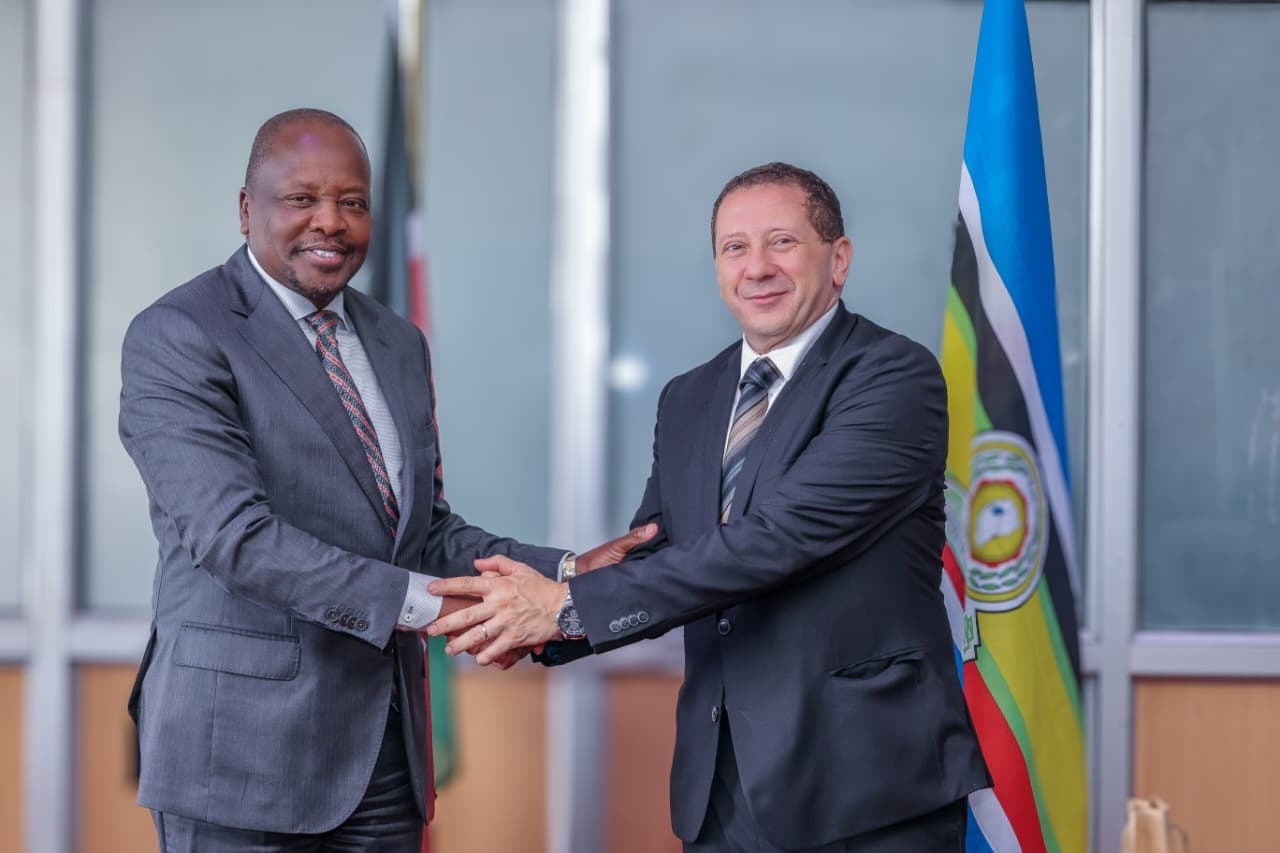
Cabinet Secretary for Agriculture and Livestock Development Mutahi Kagwe recently held discussions with Algerian Ambassador to Kenya Farid Ouahid Dahmane to accelerate livestock export plans and deepen agricultural trade relations between the two countries.
The talks came shortly after a technical delegation from Algeria visited Kenya to assess the country’s livestock sector and evaluate its ability to supply sheep to Algerian markets.
The delegation included officials from Algeria’s Ministry of Agriculture, Rural Development and Fisheries as well as representatives from the Algerian Red Meat Corporation. Kenyan officials from the State Department for Livestock Development hosted the team during field assessments of sheep production systems across the country.
The visiting team reviewed livestock supply chains, inspected production practices and explored possible partnerships with Kenyan livestock producers. The evaluation aimed to identify reliable suppliers capable of meeting Algeria’s growing demand for live sheep.
Algeria is currently implementing a government-backed livestock import program that could require up to one million sheep, particularly during the annual Eid al-Adha festivities when demand for sacrificial animals surges.
Kenyan officials say the program could provide a major export opportunity for pastoralists, livestock traders and commercial farmers across the country.
Boost for Kenya’s Livestock Sector
Government officials say Kenya’s livestock sector is increasingly gaining international recognition for the quality of its animals and expanding production capacity.
Opening new export channels such as the Algerian market is expected to help farmers access better prices while ensuring consistent demand for livestock.
If implemented successfully, the agreement could significantly increase Kenya’s livestock export earnings and strengthen the country’s position as a regional supplier of live animals.
Beyond sheep exports, the discussions also covered wider agricultural cooperation under the African Continental Free Trade Area framework, which promotes trade among African countries before sourcing products from outside the continent.
Kenya has expressed interest in importing fertilizer from Algeria to support its farming sector. In 2024, Algeria donated 16,000 metric tonnes of urea fertilizer to Kenya, and both governments are exploring long-term commercial supply arrangements.
Officials also discussed collaboration in livestock health, including the supply of animal vaccines produced by the Kenya Veterinary Vaccines Production Institute.
Additional areas of potential cooperation include exports of Kenyan dairy products such as powdered milk, processed agricultural goods like packed tea and mango products, as well as high-value crops including avocado and macadamia.
If finalized, the livestock export program could position Kenya as a key supplier to Algeria while expanding agricultural trade ties between the two countries.