
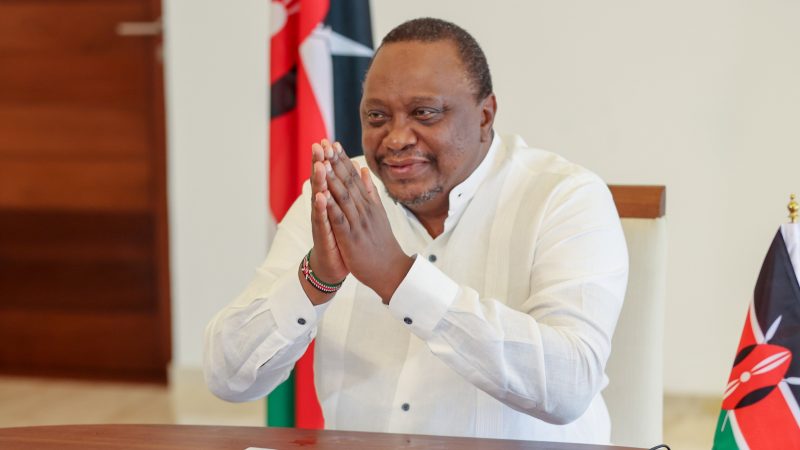
Former President Uhuru Kenyatta arrived in Ghana capital Accra on Monday evening to participate in the high-level Tana Forum on Security in Africa, a leading continental platform focused on peace, governance and regional stability.
Kenyatta was received upon arrival by Kenya High Commissioner to Ghana Shem Ishmailidza Amadi, signaling the importance Nairobi places on the forum and its outcomes.
The Tana Forum, widely regarded as one of Africa most influential policy gatherings, convenes political leaders, security experts, policymakers and development partners to deliberate on African-driven approaches to conflict resolution and long-term stability.
The forum focuses on promoting dialogue among African stakeholders, with an emphasis on homegrown solutions to the continent evolving security challenges. Discussions center on peacebuilding, governance and strengthening regional cooperation frameworks.
Focus on African-led solutions
Organizers say the platform is designed to encourage African ownership of both security and development strategies, moving away from externally driven interventions. The forum model aligns with broader continental priorities under the African Union, particularly in conflict prevention and sustainable peacebuilding.
This year gathering comes at a time when several regions across Africa continue to face instability linked to armed conflict, governance challenges and cross-border threats.
Kenyatta presence underscores his growing involvement in continental peace initiatives since leaving office. He joined the Tana Forum board in 2024, further strengthening his role in shaping dialogue on Africa security landscape.
Since leaving office, he has taken on multiple mediation and diplomatic assignments under the African Union, including engagements aimed at supporting peace efforts in the Horn of Africa and eastern Democratic Republic of Congo. His work has focused on fostering dialogue among conflicting parties and supporting regional stability initiatives.
Analysts say his continued participation reflects a broader trend of former African leaders taking active roles in diplomacy and conflict resolution across the continent.
Participants at the forum are expected to push for stronger coordination between governments, regional organizations and international partners. Key issues on the agenda include managing armed conflicts, addressing governance gaps and mitigating cross-border instability.
The forum also aims to generate practical recommendations that can be implemented at national and regional levels, with an emphasis on solutions rooted in African priorities and realities.
Organizers say the discussions will provide a space for open exchanges on both emerging threats and long-standing conflicts, while fostering partnerships that extend beyond the conference setting.