In a steadfast response to the backlash he has faced, Deputy President Rigathi Gachagua stood his ground, defending the controversial remarks he made in February, asserting that priorities within the Kenya Kwanza administration would be directed toward what he termed as “shareholders.”
His statements, which President William Ruto labeled as “primitive,” have sparked widespread criticism.
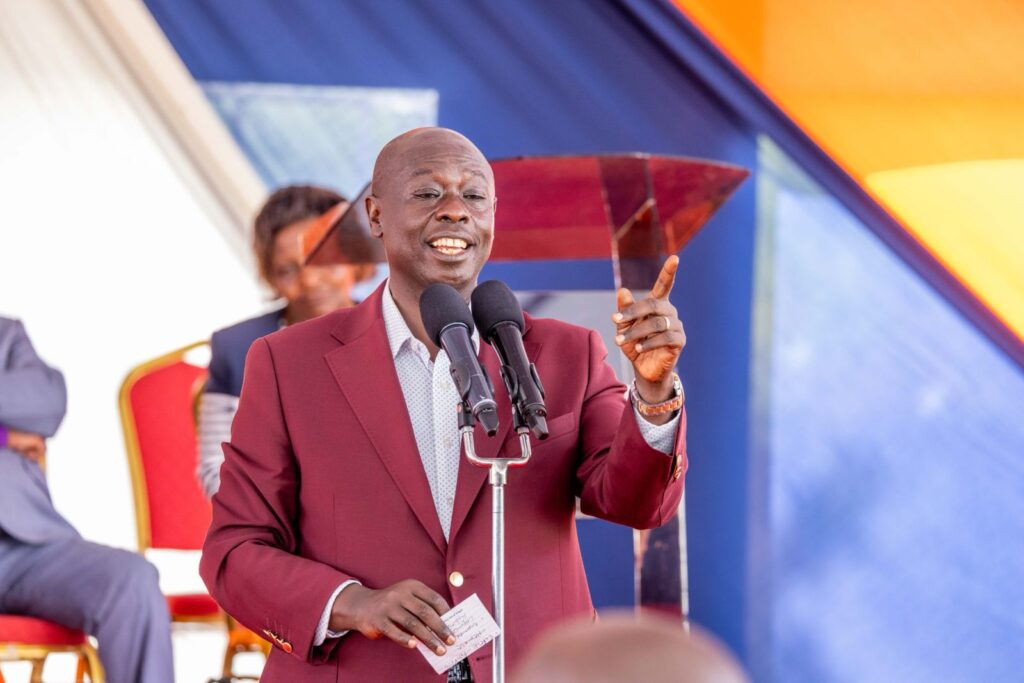
Speaking at a fundraiser at the Kapsabet ACK church in Nandi County on Sunday, Deputy President Gachagua made it clear that he had no intentions of retracting his comments, which have ignited a nationwide debate.
Addressing the gathering, he reiterated his stance, stating, “The matter of saying those who voted for this government should be looked after is Biblical. What I am asking is within the Bible.”
To support his argument, he referenced Galatians 6:10 from the Bible, which reads, “So then, as we have the opportunity, let us do good to everyone, and especially to those who are of the household of faith.” He emphasized the importance of caring for those who played a role in bringing the government to power.
Deputy President Gachagua emphasized that it was his duty to safeguard the interests of those who voted in the Kenya Kwanza administration, stressing that he would remain resolute. He also sought to clarify that there was no division within the government and debunked any notions of discord between himself and President William Ruto.
He said, “It is in the Bible; not my words. I want to tell these people, don’t waste your time, there will be no division in this government. President William Ruto and I talk the same language. We consult, agree and move on.”
Deputy President Gachagua provided insight into his Mt Kenya unity initiative, explaining that it’s primary goal was to ensure President Ruto’s resounding victory in the upcoming general election, while also seeking to garner support from other regions for their political strategy for 2027.
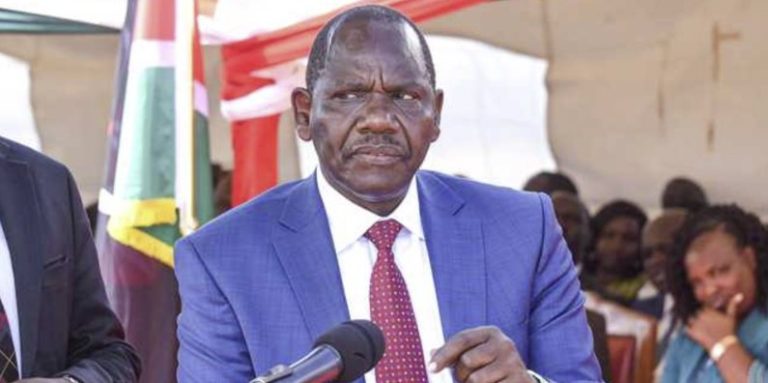
However, Gachagua’s assertion that those who voted for the president should have preferential access to government roles has triggered a wave of criticism, including from within the Kenya Kwanza alliance. Cabinet Secretary for Trade Moses Kuria and National Assembly Majority Whip Silvanus Osoro were among those who voiced their opposition to the “shareholder” narrative.
Kuria stated, “For me, all parts of Kenya are useful, there is no part that is useless because you are contributing with your fish, cotton, and avocados, are you not shareholders? Everybody in this country is a shareholder.” He shared these remarks during a groundbreaking ceremony for the construction of a County Aggregation and Industrial Park in Siaya.
Osoro echoed this sentiment, emphasizing, “Stop this shareholders issue. All Kenyans are in government, and all of us want to be involved in development issues. Honeymoon is over, celebrations are over.”
Deputy President Gachagua’s unwavering stance on the “shareholder” concept has not only prompted debate within political circles but has also ignited discussions among the Kenyan public about the principles that should guide the allocation of government resources and opportunities.