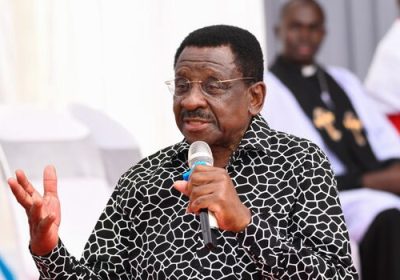


Former Deputy President Rigathi Gachagua has intensified his criticism of the government’s fuel importation arrangement, calling for its immediate cancellation.
Speaking in Nairobi, he addressed journalists under the United Opposition banner and alleged that the G-to-G fuel deal benefits politically connected actors at the expense of ordinary consumers.
He further claimed that the structure of the deal lacks transparency and urged Parliament to investigate contracts linked to international suppliers and local intermediaries.
The opposition called for a special sitting of the National Assembly, saying lawmakers must outlaw the government-to-government fuel import deal and review related tax policies affecting energy prices.
They also demanded the resignation of senior officials in the Energy and Petroleum Ministry, accusing them of failing to protect consumers from rising fuel costs.
The leaders argued that accountability in the sector is necessary to restore public trust and stabilize the economy.
Gachagua alleged that recent EPRA-approved fuel price adjustments have created an opaque structure that benefits unnamed political and business interests.
He claimed that changes in petrol and diesel prices translate into significant earnings per litre, which he estimated at several shillings.
According to him, the arrangement could generate billions of shillings annually based on national consumption, though these claims remain politically disputed.
Officials have not independently verified the figures cited by the opposition, and the government has previously defended the fuel import model as necessary for supply stability.
The Ministry of Energy has maintained that the government-to-government arrangement helps reduce price volatility and ensures consistent fuel availability across the country.
Political analysts say the dispute highlights growing tension between the executive and opposition over economic management and transparency in public procurement.
The controversy has dominated Kenya politics, with debates spreading across economic policy discussions and parliamentary scrutiny in the National Assembly.
The fuel pricing debate also reflects broader concerns about taxation and affordability, especially following recent adjustments in energy costs reported in the sector.
Opposition leaders say they will continue pressing for accountability measures and legislative review of all agreements linked to fuel imports and pricing structures.
Government officials maintain that fuel import arrangements are structured to ensure efficiency, reduce shortages, and stabilize regional supply chains.
However, the claims made by Gachagua remain politically charged and have not been independently substantiated through public financial disclosures.
The dispute continues to fuel public debate on rising living costs, particularly fuel prices, which directly affect transport and commodity pricing.
Analysts note that such disagreements between political leaders and the government often shape policy conversations ahead of legislative review cycles.
Parliament is expected to consider requests for a special sitting if formally tabled, although no official notice has been confirmed.
Energy sector stakeholders have urged calm, saying policy decisions should be guided by verified data and long-term national interests.
Despite the political tension, Kenya’s fuel market remains closely tied to global oil prices and regional import agreements that influence domestic costs.
Observers say the debate underscores the need for greater transparency in energy pricing and clearer communication between government and the public.
Further developments are expected as Parliament and the executive respond to mounting pressure from opposition leaders and civil society groups.
Public scrutiny of fuel agreements continues amid calls for reform and accountability measures.