

Kenya has renewed its commitment to transforming its HIV response, signaling a strategic shift aimed at ending AIDS as a public health threat by 2030. Health officials say the next phase of the response will focus on integrating HIV services into broader healthcare systems while strengthening domestic ownership and sustainability.
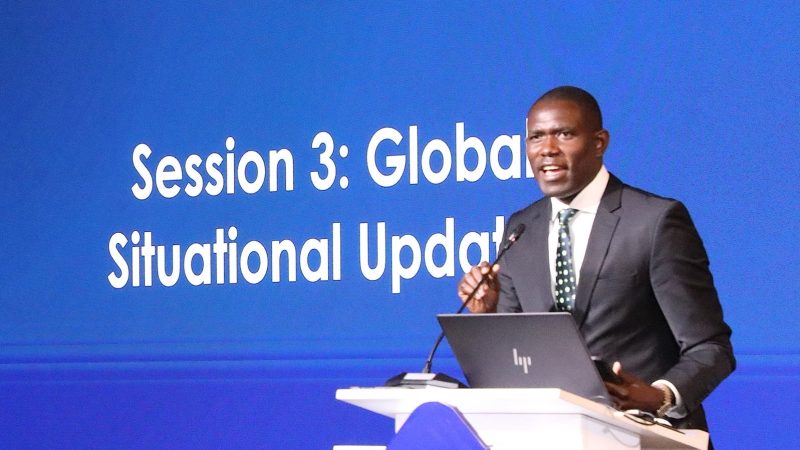
The push was underscored by Principal Secretary for Medical Services, Dr Ouma Oluga, during the opening of the 2026 HIV Coverage, Quality, and Impact Network high level meeting in Nairobi. The forum brought together more than 260 participants from over 20 countries, reflecting growing global attention on adapting HIV strategies to evolving health and funding landscapes.
Oluga, representing Health Cabinet Secretary Aden Duale, said Kenya must shift from siloed approaches to more integrated, people centered health systems.
Kenya HIV response has historically relied on targeted, disease specific programs. However, Oluga emphasized the need to move away from vertical interventions toward models that address multiple health needs simultaneously.
This includes linking HIV services with maternal and child health programs, tuberculosis care, and treatment for non communicable diseases. The goal is to improve efficiency, continuity of care, and patient outcomes.
Investments made in laboratory systems, data infrastructure, and community health platforms through HIV programs should now strengthen the entire health system, Oluga said.
According to the Ministry of Health Kenya, this integrated approach is already being rolled out across community, primary, and referral healthcare levels. Officials say it will help reduce duplication, improve service delivery, and ensure patients receive comprehensive care under one system.
Progress and sustainability in HIV response
Kenya remains one of Africa leading countries in HIV response progress. An estimated 1.4 million people are currently living with HIV, with the majority accessing treatment.
The country is nearing the UNAIDS 95 95 95 targets, a global benchmark designed to ensure that 95% of people living with HIV know their status, 95% of those diagnosed receive sustained antiretroviral therapy, and 95% of those on treatment achieve viral suppression.
Oluga said these gains demonstrate Kenya sustained commitment but warned that progress remains fragile.
Kenya is making steady progress towards ending AIDS as a public health threat by 2030. However, these achievements require continuous innovation and sustained investment, he said.
A key pillar of the new strategy is reducing reliance on external donors while strengthening domestic financing mechanisms.
Kenya HIV response has long been supported by international partners, including PEPFAR, the Global Fund, and ICAP at Columbia University. While these partnerships remain critical, officials say long term sustainability will depend on increased local investment.
Oluga linked the shift to Kenya broader Universal Health Coverage agenda, which aims to improve healthcare financing, strengthen the workforce, and enhance service delivery nationwide.
There is a need to build sustainable financing systems that ensure continuity of HIV services even as external support evolves, he said.
Despite progress, challenges such as stigma, discrimination, and unequal access to healthcare continue to hinder the HIV response.