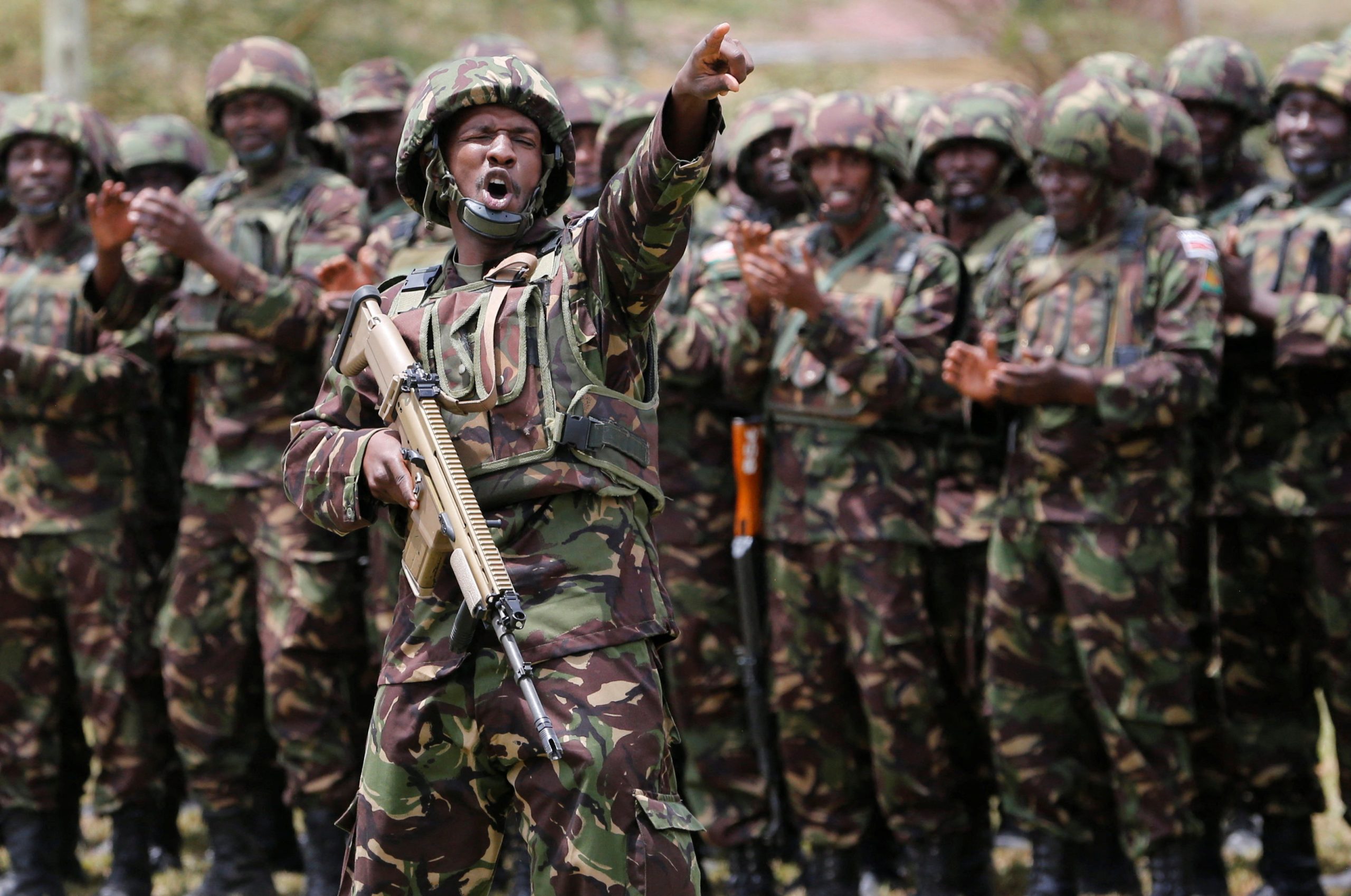
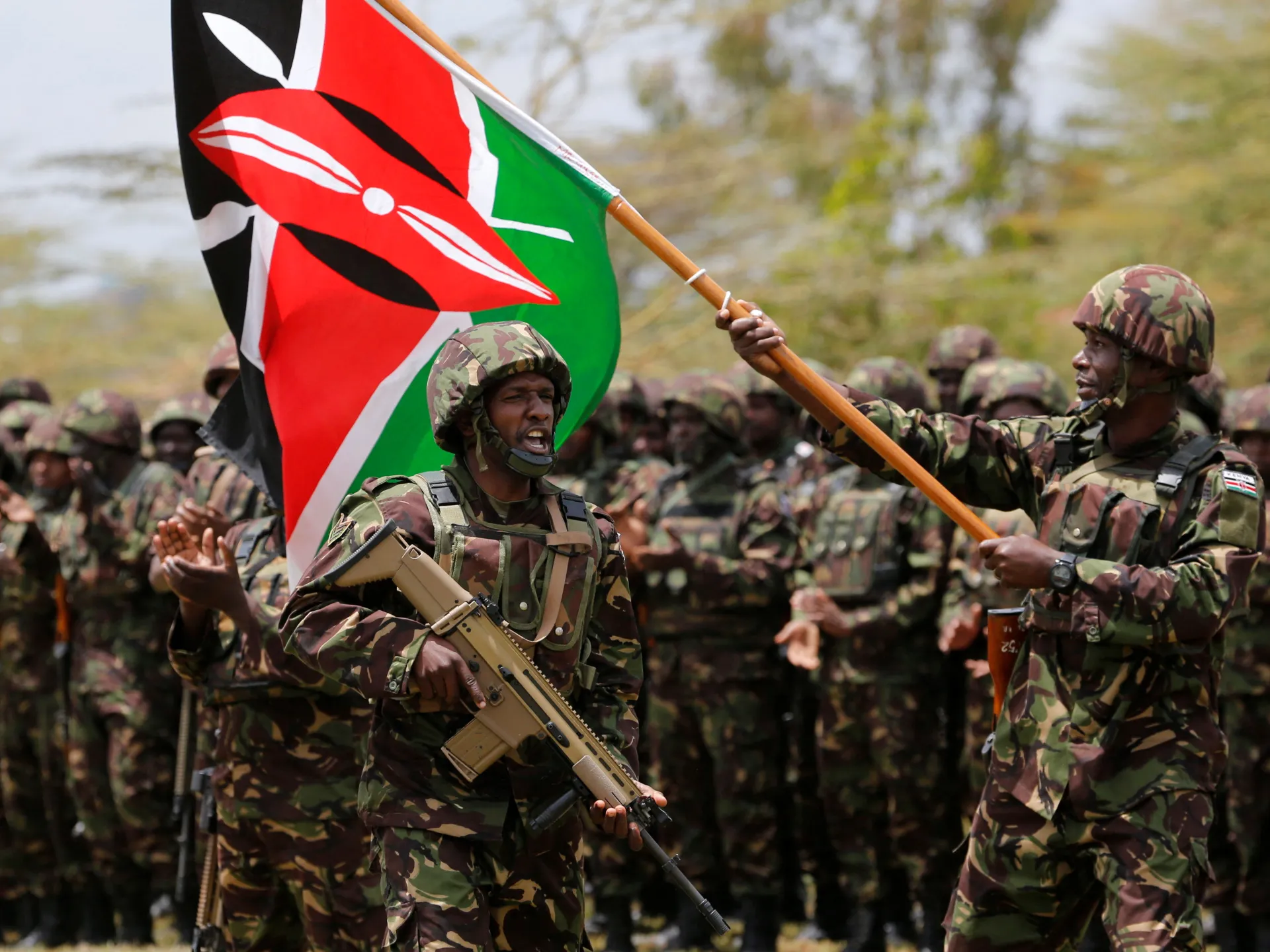
Kenya’s military has opened a formal inquiry into allegations that soldiers deployed to the North Rift region assaulted civilians and community leaders during Operation Maliza Uhalifu — a sweeping government crackdown on armed banditry launched in February 2023.
The probe marks a significant moment of accountability for the Kenya Defence Forces, whose conduct in one of the country’s most volatile regions has drawn widespread criticism.
Operation that sparked the crisis
The operation, which initially covered six counties — Baringo, Elgeyo Marakwet, Laikipia, Samburu, Turkana and West Pokot — deployed military and police units in a bid to disarm pastoralist militias responsible for years of cattle rustling and deadly community violence. While security analysts noted the operation reduced militia activity by more than 50% in several counties by the end of 2023, it also generated a wave of complaints from the very communities it was meant to protect.
“Instead of flushing out bandits, soldiers are turning on the very people they were sent to defend.”
Residents from multiple sub-counties filed accounts with local leaders alleging that uniformed troops beat civilians — including community elders — during cordon-and-search exercises. The incidents, if confirmed, would represent serious violations of military conduct rules and international humanitarian norms. KDF has not publicly named the units or officers under investigation.
Deadly incident deepens civil-military tensions
The inquiry announcement follows a separate, more lethal incident that further strained civil-military relations. According to reporting by Daily Nation, KDF soldiers allegedly shot and killed two police reservists who were guarding a KSh 40 million government irrigation project in South Turkana.
Turkana Governor Jeremiah Lomorukai, who confirmed the deaths and said he had raised the matter with President William Ruto, blamed poor coordination within the multi-agency security team.
Calls to investigate police as well
Calls for accountability have not been limited to the military. Several civic groups, elected representatives and residents have demanded that the National Police Service also face independent investigation for its conduct during the operation. International Crisis Group has noted deep mistrust of police in the region, warning that heavy-handed security operations risk alienating the very communities that provide crucial intelligence against armed groups.
Human rights organisations have echoed those concerns. Human Rights Watch called on the Kenyan government to establish credible commissions of inquiry into security-force abuses — a standard the organisation says that applies to both military and police operations across the country.
Scrutiny extends to foreign troops
The army probe comes as Kenya’s security establishment faces scrutiny on multiple fronts. A separate parliamentary inquiry into the conduct of British Army Training Unit Kenya soldiers found a pattern of misconduct — including sexual violence — against civilians in Laikipia and Samburu counties. Kenya’s parliament voted in April 2024 to amend the defence agreement with Britain to allow local prosecutions of foreign troops.
A test of Kenya commitment to accountability
For North Rift communities still recovering from years of militia violence and displacement, the military inquiry is a cautious but notable development. Whether it produces accountability — or quietly stalls — will test Kenya’s commitment to a principle that has proved elusive in the region: that restoring peace cannot come at the cost of the dignity of the people it is meant to serve.