Insurance uptake barriers remain persistent, and they weigh differently on women. A 2025 GeoPoll survey cited affordability, unpredictable earnings, and mistrust of insurance companies as the main reasons most Kenyans go without cover. Some of these pressures are often a harsh reality for women managing informal incomes and side hustles, or juggling household budgets alone.
Kenya’s median income is relatively low, making it difficult for many to afford insurance coverage, with premiums considered too high. As a result, many Kenyans opt to spend their hard-earned money on something tangible that can bring immediate returns.
Most women assume insurance is something for later in life, once there is more to protect. However, there is never a more convenient time to protect their wealth, because an unpredictable crisis could strike at any moment.
The Insurance Regulatory Authority (IRA) notes that most Kenyans have expressed mistrust of insurance companies, stemming from disputed claims, lengthy payout delays, and policy issues. For women who are already the most cautious spenders in the household, this mistrust becomes another reason to postpone taking out insurance.
Insurance low uptake and How Bancassurance Offers Solutions
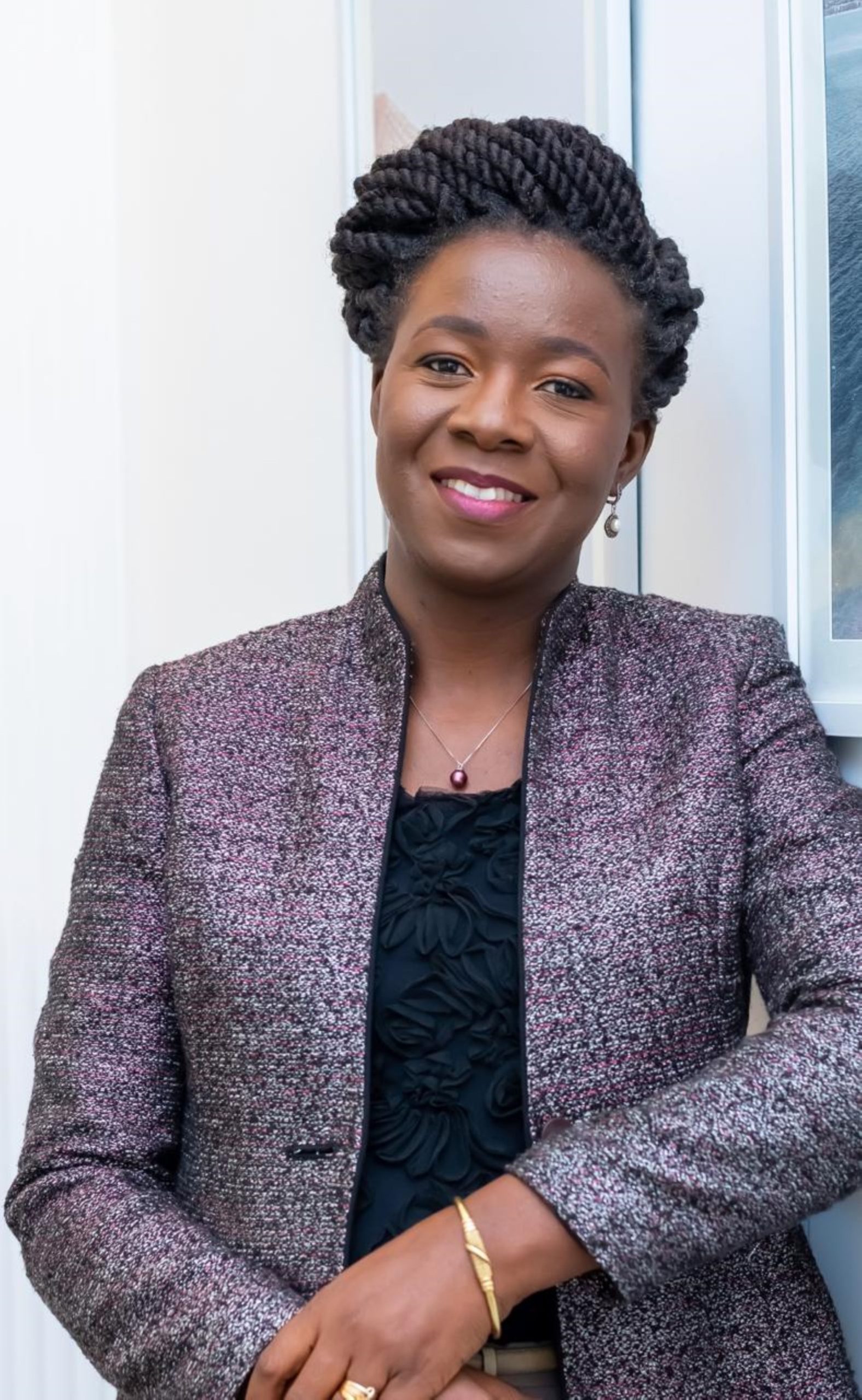
“This is where bancassurance plays a huge role by bringing insurance into the same conversation as everyday banking. Women no longer need to treat protection as separate; it can also sit alongside a savings account or an investment plan overseen by a trusted financial partner, such as banks,” said Julia Shisia, Principal Officer, Bancassurance at Absa Bank Kenya.
Bancassurance, a model that positions banks as a bridge between insurance companies and millions of Kenyans, is gradually increasing insurance penetration by tackling the trust deficit that keeps so many women, and Kenyans more broadly, away from insurance uptake.
The bancassurance market has grown considerably, with Absa Bank Kenya maintaining its lead as the country’s most profitable bancassurance operator, recording a whopping KSh 1 billion in after-tax profits. These significant profits reflect the trust that Absa Bank has built with its customers.
Through Absa Bancassurance Intermediary Limited (ABIL), the bank has forged strategic partnerships with various insurance companies to provide more affordable insurance solutions.
“Through a partnership with Old Mutual Kenya, we launched a join insurance product dubbed Linda Biz, a product targeting Small and Medium-Sized Enterprises (SMEs) that offers business assets, medical, and life insurance. This matters for women in particular, since they run a significant share of Kenya’s SMEs and are often the ones left exposed when a business goes uninsured,” said Ms Shisia.
She added that life is unpredictable, and thus proactivity is essential to financial preparedness. Every woman should ask herself: if an accident, a fire, or an illness struck tomorrow, would the wealth she has worked so hard to build survive it? Given how much longer a woman’s life may be, and how much of a household’s wellbeing rests on her shoulders, insurance uptake should be a top priority.