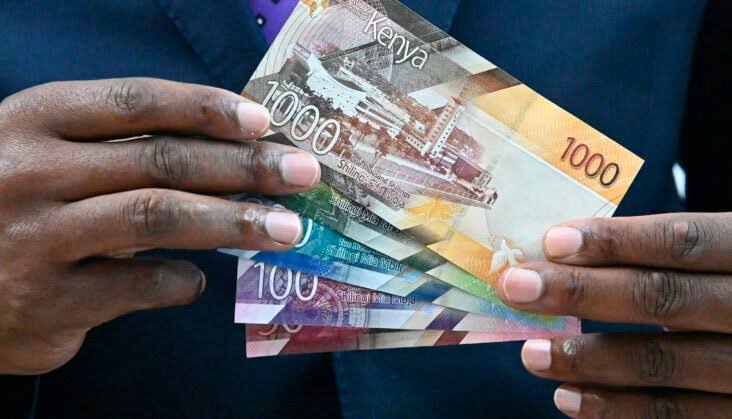
CBK (Central Bank of Kenya) received bids from investors worth KSh 48.9 billion at the weekly Treasury Bills Auction. Demand for the debt instruments remaining strong. The state fiscal agent accepted KSh 35.74billion out of the KSh 24 billion on offer. This resulted into the subscription rate of 73% and a performance rate of 204%.
The 91-day Treasury Bill remained most attractive debt instrument, registering a performance rate of 921% and receiving bids worth KSh 37billion out of the KSh 4.0Bn on offer. The 182-day Treasury Bills saw the CBK accepting KSh 3.21 billion. The one-year instrument had the fiscal agent accepting KSh 8.91 billion compared to the 91-day Treasury Bills where CBK accepted KSh 23.62 billion. This is out of bids received worth KSh 36.84 billion, an oversubscription of 921.17%.
CBK raises KSh 43 billion from June Treasury Bonds Auction
In the fixed income securities market, the CBK received bids worth KSh 78 billion at this month’s first Treasury Bonds auction, designed to raise cash for budgetary support, the state fiscal agent issuing the prospectus, just days before the end of the 2025/26 fiscal year.
The CBK had floated a re-opened 20-year Treasury Bond, first sold in 2018. Here, it received bids worth KSh 22,676.86.61 billion with KSh 19,558.61 billion accepted. The fiscal agent was offering bidders a return of 13.9%.
The re-opened 25-year Treasury Bond, that has 20 years to reach maturity received bids worth KSh 54,949.11 billion. The CBK accepting KSh 23,013.55 billion, bidders being offered a return of 14.864%.
The CBK auction accepted KSh 43billion from total bids received of KSh78billion, representing a 129% subscription rate. There was a 55% acceptance rate, suggesting the government’s reluctance to guide for a higher interest rate environment.
“Looking ahead, we expect investor aggressiveness to persist. With headline inflation at 6.7% and Middle East geopolitical tensions still threatening global energy prices. This could lead domestic inflationary pressures staying elevated. Furthermore, costly state interventions like fuel tax reliefs and subsidies will likely strain fiscal balances, forcing the government to rely heavily on domestic debt, driving yields higher over the medium term,” said Standard Investment Bank(SIB)in its weekly fixed income market bulletin.