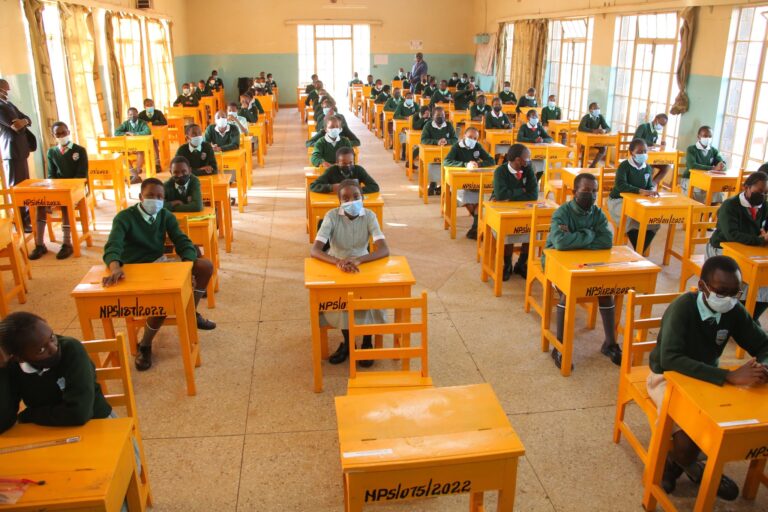
Shifting the junior secondary school (JSS) segment from primary to secondary school premises offers several advantages. Firstly, having both levels in the same location facilitates a smoother transition for students, easing the shift from primary to secondary education.
This integration enables students to adapt gradually to new subjects and teaching methods without the challenge of adjusting to an entirely new environment.
Furthermore, the co-location of facilities such as libraries, laboratories, and sports grounds benefits both junior and senior secondary students, promoting efficiency and cost-effectiveness.
Shared resources eliminate the need for duplication in separate locations, fostering interaction between older and younger students and creating mentorship opportunities, ultimately fostering a sense of community within the school.
Furthermore, incorporating JSS into secondary schools improves the Competency-Based Curriculum (CBC)’s coordination and alignment among its many levels. This configuration makes it simpler for teachers to work together on lesson plans and guarantees a smooth transition of knowledge from one level to the next. This method ensures that before moving on to more advanced coursework, students lay a solid foundation.
To sum up, there are a lot of advantages to the plan to house JSS in secondary schools, such as a more seamless transition for students, effective use of resources, better student-student connection, mentorship opportunities, and better CBC cooperation. As a result, investigating this configuration is thought to be more advantageous than the existing one.