Budget writers haven’t felt compelled to add a new tax since a long time, except from the PAYE that is already directly levied against employers and employees.
The fact that the president and other notables believe hustlers should take pride in their unemployment since they don’t earn wages that can be taxed is both terrible and absurd.
According to several agencies, 20% to 25% of Kenyans with jobs earn more than Ksh50,000 per year. There are 80,000 Kenyans who make more than Ksh100,000 every year, according to estimates. Uhuru Park can accommodate this number.
The fact that few employed Kenyans make a salary that is in line with the health of the economy and the inflation rate, however, should be highlighted. Every paid Kenyan should, in theory, receive an annual wage increase to account for inflation rather than for personal gain. To be honest, it rarely occurs.
The logical conclusion is that a Kenyan receiving a salary has less purchasing power. The value of a Ksh1000 note from a few years ago is Ksh500.
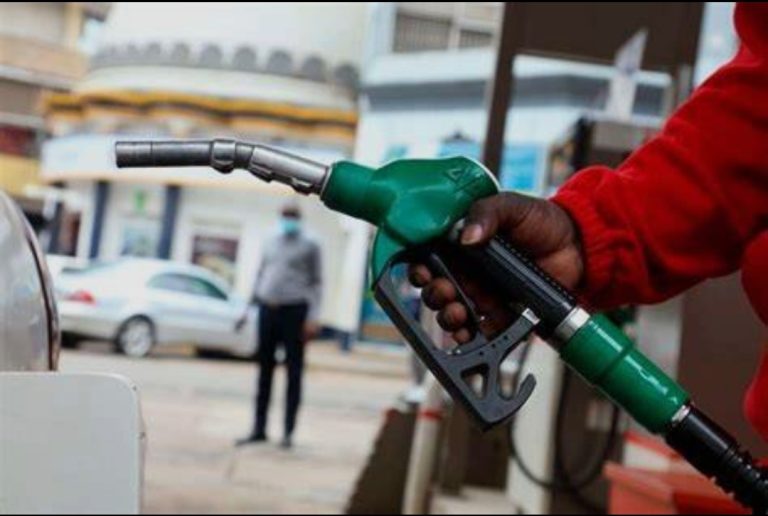
Three years ago, Kenyans paid between Ksh90 and Ksh100 for fuel. It even dropped below Ksh80 during Covid-19. It follows that someone will need to allocate twice as much money. That amounts to an additional cost of almost Ksh4,000 every fill for a compact automobile with a 42-liter tank.
According to data from a few months ago, the additional money might amount to about Ksh3,000 each fill. Now, the additional expense wasn’t just cash laying around. Another sacrifice must be made. Contrary to what Trade CS Moses Kuria would have us believe, Ksh3,000 is not mzinga money.
Fuel costs are only one consideration. There is the price of power, which has increased by 67% and may rise more once additional fuel costs are taken into account.
The next step is to make deductions. 1.5% housing tax and 2.75% NHIF levy. That is an additional Ksh3,250 in disposable income for someone making Ksh100,000. Now, none of this would matter if the employee making Ksh100,000 this year has been receiving annual or regular raises and anticipates making Ksh110,000 the following year.
The additional Ksh10,000 would easily cover the additional fees and costs. The number of Kenyans who are underemployed yet are mistakenly believed to be employed is readily overlooked by the government when formulating policy.
Like the thousands of graduates the government wants to hire in the “mjengo” sector, a graduate teacher earning Ksh8,000 as a BOG instructor cannot claim to be employed.
Another reality is that while the government can offer its employees a raise, the private sector cannot be forced to follow suit.