

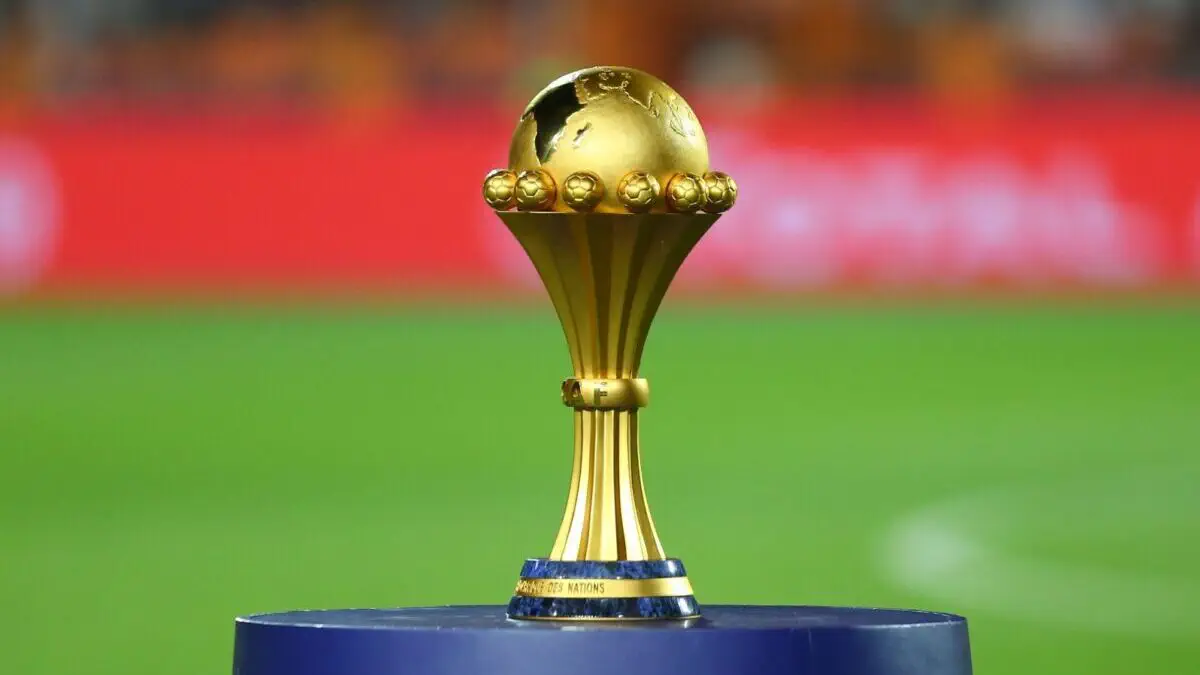
The Guinea Football Federation has formally called on the Confederation of African Football to retroactively award it the 1976 Africa Cup of Nations title, arguing that a brief Moroccan walkout during the decisive match that year should now be judged under the same disciplinary principles CAF applied when it stripped Senegal of the 2025 AFCON crown.
The demand, lodged days after CAF Appeal Board ruled on 17 March 2026 that Senegal forfeited its 1-0 extra-time victory over Morocco in the 2025 final, has thrust a half-century-old match back into the headlines — and placed the continental governing body under unprecedented governance pressure on two fronts simultaneously.
Guinea cites the 2025 ruling as a binding precedent
Guinea argument rests on a simple claim of consistency as the federation insists that if CAF can sanction Senegal for a walkout — even one lasting only moments — then the same disciplinary logic must apply to Morocco conduct during the 1976 tournament, held in Ethiopia under a four-team final round-robin format.
“Give us back our 1976 AFCON trophy.”
— Guinea Football Federation, official statement
Morocco needed only a draw to secure the championship, while Guinea required a victory. Guinea took the lead through Chérif Souleymane, but the match was disrupted when Moroccan players temporarily left the pitch to protest a refereeing decision — specifically, the reduction of their side to 10 men following a red card — before returning to resume play. Morocco Ahmed Makrouh equalized in the 86th minute, and the 1-1 draw handed Morocco the title with five points. Guinea finished as runners-up.
The federation stance has been stated without ambiguity in its official submission: “Give us back our 1976 AFCON trophy.”
CAF Appeal Board ruled that Senegal players violated Articles 82 and 84 of the AFCON Regulations, which mandate a 3-0 forfeit for any team that abandons the field without a referee authorization, after the Teranga Lions briefly walked off following a controversial late penalty call in the 18 January final. Morocco was subsequently awarded the title by a 3-0 scoreline. Senegal has since confirmed it will challenge the ruling before the Court of Arbitration for Sport in Lausanne.
Legal hurdles cast doubt on Guinea claim
Despite the political momentum behind Guinea demand, sports legal experts say the obstacles are formidable. The most significant barrier is that CAF current regulatory framework — including the forfeiture provisions enshrined in Articles 82 and 84 — did not exist in 1976 and is not subject to retroactive application across five decades of football governance.
Former CAF Disciplinary Board chairman Raymond Hack acknowledged the historical record directly, confirming that Morocco did walk off the pitch against Guinea before returning, but cautioned that the legal framework governing that match was entirely different from the regulations that apply today. “The factual parallel is there,” Hack noted in remarks carried by regional media, “but the legal architecture was not.”
There is also no established precedent in African football — or in international sports arbitration more broadly — for applying disciplinary rules retroactively across multiple decades. The principle of legal certainty, a cornerstone of both sporting and civil jurisprudence, generally prohibits the reinterpretation of historical outcomes through regulatory instruments created after the fact.
CAF faces governance test on two historical fronts
CAF has not yet issued an official response to Guinea submission, but observers say the federation silence may itself carry institutional weight. Any formal engagement with the 1976 claim risks validating the principle of retroactive review — a door that, once opened, could expose the continent football history to a cascade of reexaminations.
Simultaneously, CAF faces the live challenge of Senegal impending Court of Arbitration for Sport appeal, which could overturn or modify the 2025 ruling that triggered Guinea demand in the first place. Legal analysts note the irony: if the court finds that CAF application of Articles 82 and 84 to Senegal was itself flawed or disproportionate, it would further undermine Guinea argument that the same standard should be applied to 1976.
The Senegalese Football Federation has already made clear its opposition to the 17 March ruling, publicly describing the decision as illegal and delivering its AFCON trophy to a military base in a symbolic act of defiance. A formal arbitration filing is expected to proceed through the Lausanne standard arbitration calendar.
For Guinea, the campaign is as much political as it is legal — a bid to place its historical grievance on the continental record at a moment when CAF own disciplinary credibility is under scrutiny. Whether the governing body chooses to engage the claim substantively, or decline it on procedural grounds, the dispute has already accomplished one thing: it has forced African football to confront the uncomfortable question of how far the present can reach into the past.