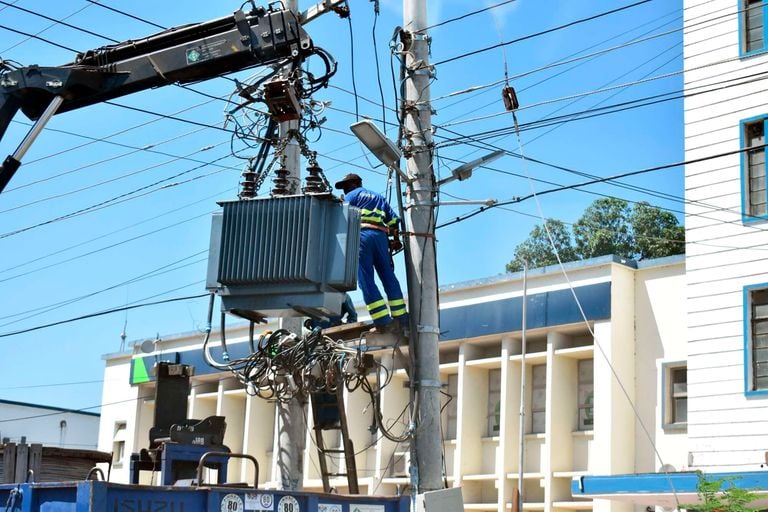
The funding for Kenya Power’s Last Mile Electricity Connectivity Programme has been cut by KSh5 billion, according to the Treasury disclosures.
Reduced and delayed funding has hurt KPLC’s performance, with the power distributor shouldering the costs including those of connecting households at subsidized rates.
In the latest mini-budget, funding of the project has been slashed to KSh6.4 billion in the current fiscal year ending June next year from KSh11.4 billion that had earlier been budgeted.
Consequently, the government has also revised downwards its target for the number of new customers to be connected to electricity in the review period by 10,000 from 100,000 the, Treasury document shows.
Funding from both the government and development partners has been slashed in the new supplementary budget.
The government has trimmed it’s own funding for the programme by KSh2.56 billion while counterpart funding by development partners has been reduced by KSh2.4 billion.
Since 2015 when the Last Mile Connectivity was launched, it has not been implemented according to the design, according to the World Bank, one of the financiers of the programme.
“Due to fiscal constraints, budgetary transfers from the government for last mile connections were either delayed or too low to cover incurred costs,” said the World Bank in one of its documents.
“While the aggressive connection campaign was not slowed down, absence of public funding for the last mile program meant that KPLC (Kenya Power and Lighting Company) had to resort to short-term and high-cost commercial debt to cover for the last mile program exacerbating KPLC’s precarious financial position,” added the World Bank.
Kenya Power, the country’s sole power distributor, started the Last Mile Connectivity initiative in 2015.
The beneficiaries of the project will pay a contribution fee of KSh15,000. The total cost of connection is slightly higher than this amount, with the balance covered by financiers like the African Development Bank (AfDB).