
Over 200 killed in landslide at DR Congo coltan mine
 March 5, 2026
2 min read
March 5, 2026
2 min read
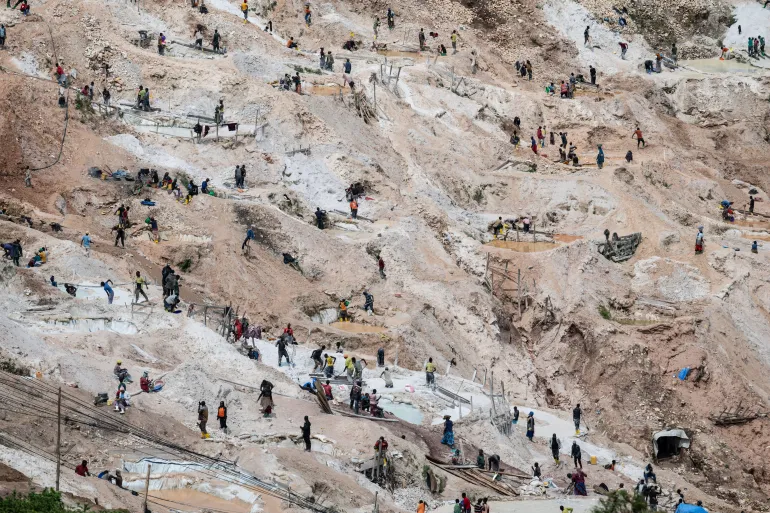
Miners work at the D4 Gakombe coltan mining quarry in Rubaya, DRC, in May 2025. Photo: : Moses Sawasawa/AP Photo
A landslide triggered by days of heavy rain has killed more than 200 people at the Rubaya coltan mine in eastern Democratic Republic of the Congo, officials said Wednesday, in one of the deadliest mining disasters in the region in recent years.
The Ministry of Mines said about 70 children were among the victims. Injured miners and residents were taken to hospitals in Goma, the capital of North Kivu province, as rescue teams and volunteers searched through mud and debris for survivors.
Ibrahim Taluseke, a miner who was working near the pit, told The Associated Press he helped recover more than 200 bodies after the hillside collapsed.
“We are afraid, but these are lives in danger,” Taluseke said. “Some pit owners do not want the real number of deaths revealed.”
Congolese authorities blamed the disaster on a rain-soaked landslide, but a senior official in the M23 rebel movement disputed that account.
Fanny Kaj, an M23 official, said the incident resulted from bombings and insisted that only five people were killed.
A senior official from the AFC Congo River Alliance, the Rwanda-backed coalition that has controlled the Rubaya mine since 2024, told Reuters that operations had been discouraged until the area is secured and better protections for miners are introduced.
A similar collapse after heavy rainfall in late January also killed more than 200 people, according to Congolese authorities.
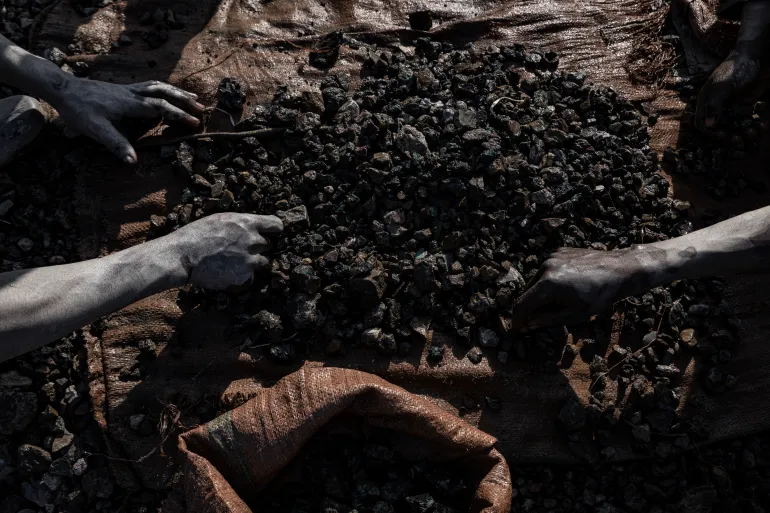
Rubaya produces roughly 15 percent of the world’s coltan, a mineral refined into tantalum and widely used in mobile phones, computers, aerospace technology and gas turbines.
The mine was recently listed among assets the Congolese government has discussed offering the United States under a proposed minerals cooperation framework.
Analysts say the tragedy highlights the risks surrounding informal mining in conflict-hit eastern Congo, where armed groups, dangerous conditions and global demand for minerals often collide there.
AGNCIES
