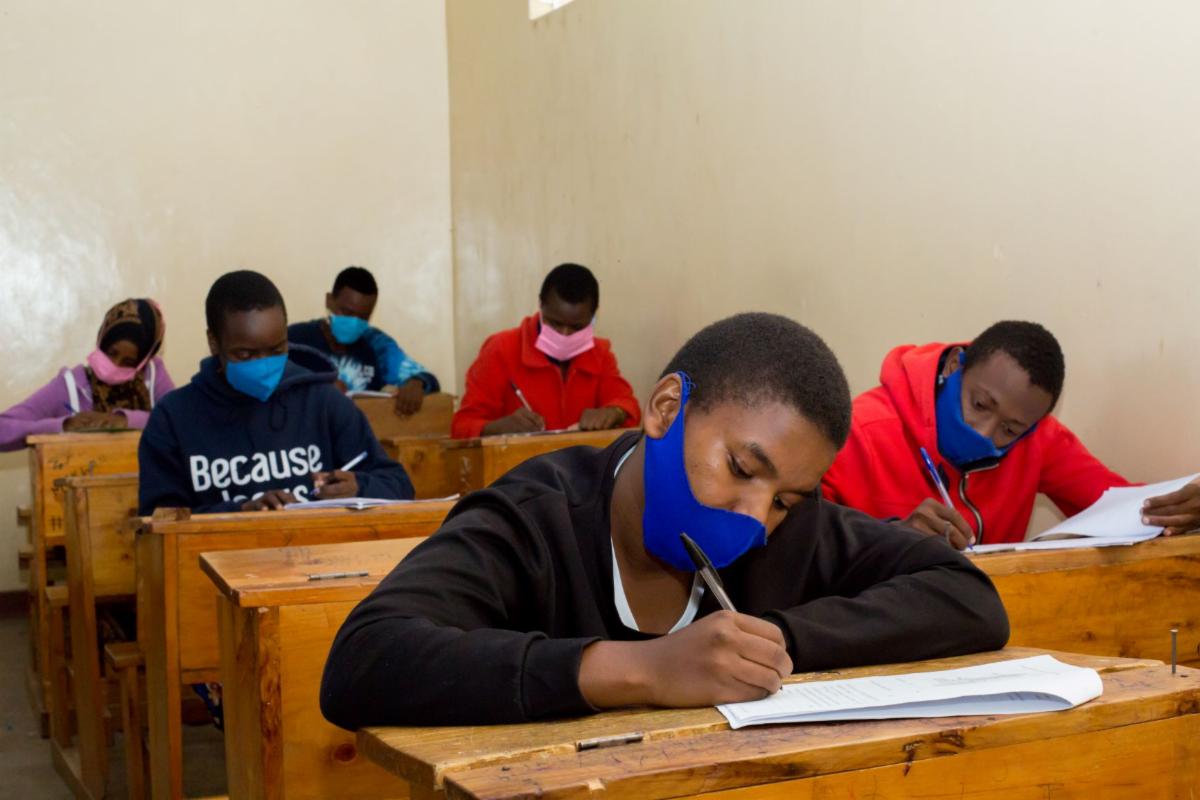
For more than four decades, Kenya shipped some of its most sensitive government documents more than 6,700 kilometres to be printed in Britain. That era is now drawing to a close.
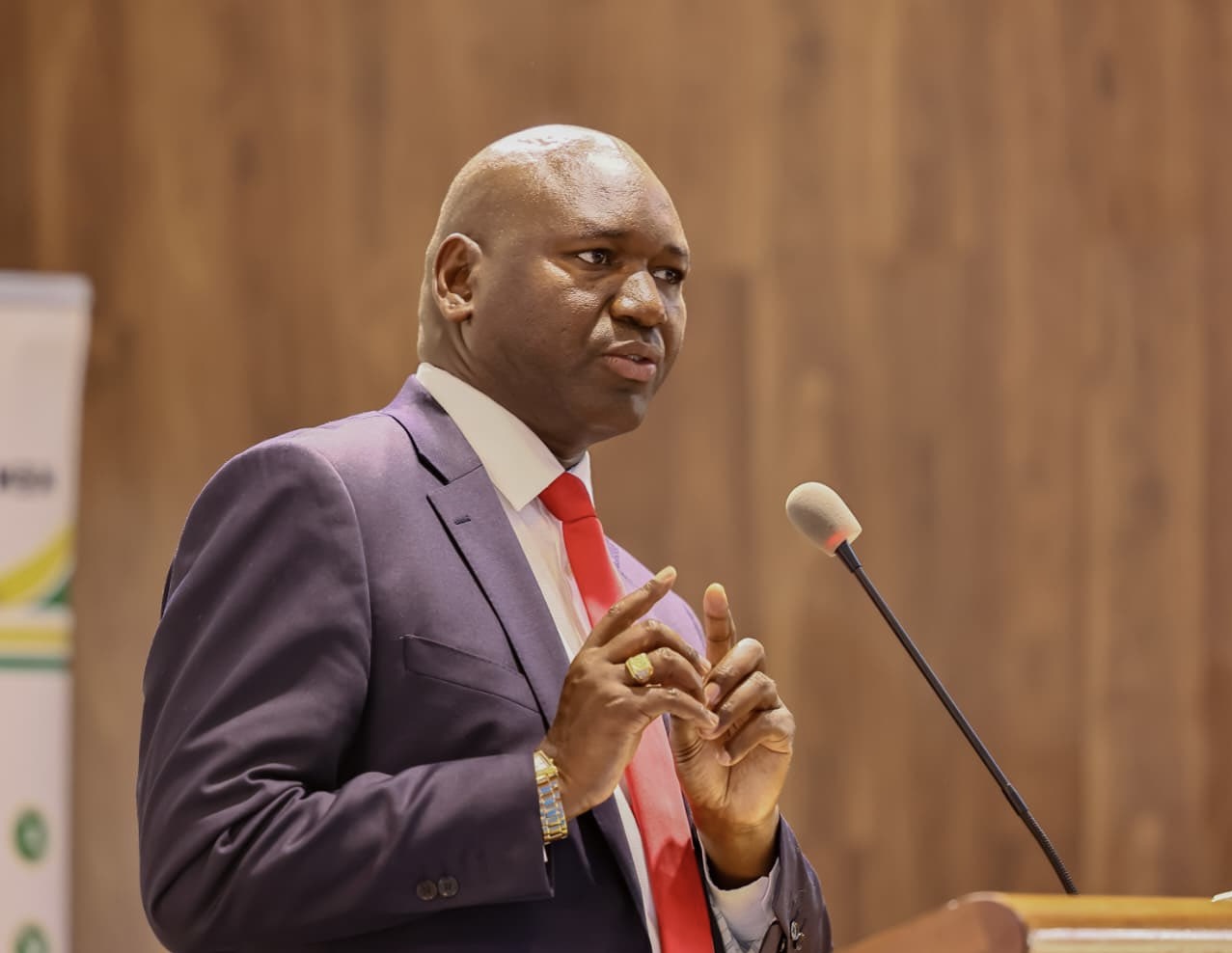
Basic Education Principal Secretary Julius Bitok told the National Assembly Education Committee this week that the government has earmarked KSh147 million in its proposed 2026/27 budget to purchase optical mark recognition printing equipment. The machines, used to produce the standardised answer sheets central to national assessments, would be operated domestically for the first time.
Political pressure mounts over London printing costs
The shift follows sustained political pressure over the financial and security implications of outsourcing exam production. Treasury Cabinet Secretary John Mbadi had publicly questioned the arrangement, arguing that it represented an unnecessary drain on public resources. His comments resonated in a country already grappling with significant shortfalls in its national education budget.
The timing is not without controversy. In mid-2025, the National Treasury briefly suspended the KSh11 billion annual allocation for Kenya Certificate of Secondary Education examinations, triggering alarm among lawmakers. Education Committee Chairperson Julius Melly did not mince words at the time. “There are certain activities that you tend to think may be done or may not be done,” he said, “but putting zero budget for exams — are we serious?”
Mbadi later clarified that the suspension was a temporary measure intended to allow investigators to probe potential financial irregularities within exam administration, and that no costs would be transferred to families. “No parent will pay the examination fees,” he said.
A budget stretched thin across the board
 Kenya proposed budget for administering national school examinations and invigilation stands at KSh9.9 billion for 2026/27, against a stated requirement of KSh14.7 billion — a gap of nearly KSh4.82 billion. The Kenya Junior School Education Assessment alone requires KSh3.92 billion, while KCSE needs approximately KSh9.5 billion, the Kenya Primary School Education Assessment requires KSh1.2 billion, and school-based assessments account for an additional KSh144.7 million.
Bitok told the committee that KNEC target is to administer KJSEA and other national exams on schedule, but warned that underfunding threatens the entire examination calendar.
School feeding and boarding programmes face deficits
The funding shortfall extends well beyond examinations. Kenya School Feeding Programme for children in arid, semi-arid, and informal settlement areas — which supports 2.8 million learners — has received KSh3 billion against a need of KSh3.85 billion, leaving a deficit of nearly KSh849 million. The Low-Cost Boarding School Programme, which benefits more than 158,000 students in remote regions, faces its own shortfall of KSh120 million, with lunch provisions particularly vulnerable.
A KSh111 billion gap threatening the entire sector
Bitok warned that the Basic Education sector faces a total underfunding gap of KSh111 billion for the coming fiscal year, with total requirements across primary, junior, and secondary schools reaching KSh245.85 billion. Recurrent expenditure alone is funded at KSh118.68 billion against a need of KSh216.5 billion, while development spending sits at KSh16 billion against a requirement of KSh29.4 billion — representing a 45% shortfall across both categories.
Despite those broader pressures, advocates see the move to localise exam printing as a meaningful step. Keeping sensitive materials within the country reduces the risk of leaks during international transit and cuts turnaround times. It also signals a growing confidence in Kenya domestic infrastructure — and, for many, a long-overdue reclaiming of educational sovereignty.