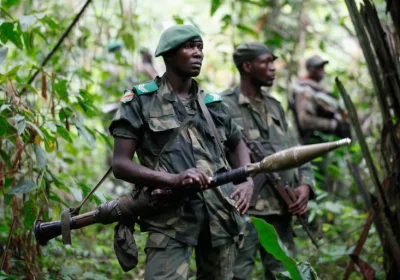


The national army of Somalia has taken control of Baidoa, the largest city in the Southwest state, prompting the regional president to resign amid escalating political tensions.
Federal troops entered Baidoa on 30 March 2026, securing the strategic city located about 245 kilometers northwest of the capital Mogadishu. The city hosts international peacekeepers and humanitarian agencies operating in a region affected by drought, conflict and displacement.
Local elder Adan Hussein said the situation remained calm but tense, adding that the المدينة appeared largely deserted after days of uncertainty as residents fled fearing clashes.
Abdiaziz Hassan Mohamed Laftagareen announced his resignation in a post on Facebook, stepping down after more than seven years in office. His departure comes days after he declared victory in a disputed re election that the federal government said was illegal.
Political tensions deepen
The transition began immediately, with Finance Minister Ahmed Mohamed Hussein appointed acting president through an official decree as federal authorities moved quickly to stabilize the situation.
In a statement, Somalia government welcomed the transition and urged calm, emphasizing its commitment to protecting lives and property during what it described as a sensitive political period.
The takeover highlights growing strain within Somalia fragile federal system, where disputes between regional administrations and the central government continue to expose political fault lines.
Many residents fled Baidoa in recent days, while aid agencies temporarily suspended operations due to fears of violence between federal and regional forces.
The crisis comes ahead of a highly contested national election expected later this year. Analysts say disagreements over voting systems and constitutional changes have deepened mistrust among political leaders.
A report by Al Jazeera noted that concerns persist over whether Somalia can deliver a credible electoral process, with opposition groups warning of possible manipulation in the indirect voting system.