
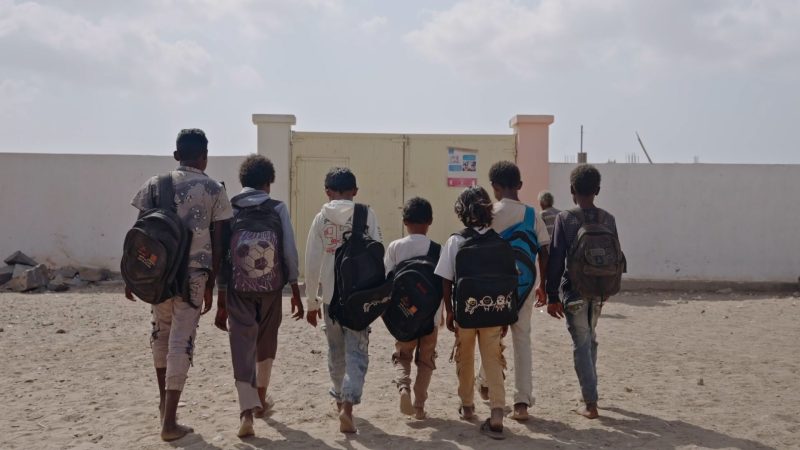
Despite a United Nations brokered truce intended to reduce violence, nearly 1,200 children in Yemen have been killed or injured over the past four years, underscoring the ongoing risks facing civilians.
An analysis released on 2 April 2026 by Save the Children found that at least 339 children have been killed and 843 injured since the ceasefire took effect on 2 April 2022. The data, drawn from the Civilian Impact Monitoring Project, highlights the continued threat posed by shelling, gunfire, landmines and explosive remnants of war.
While overall hostilities between the Saudi backed Yemeni government and Iran aligned Houthi rebels have decreased, the report shows that children remain disproportionately affected. A total of 511 cases, nearly one in two child casualties, were caused by landmines and unexploded ordnance.
The findings indicate that children are more than three times as likely as adults to be killed or injured by explosive remnants of war. Aid groups attribute this to limited awareness of mine risks and increased exposure as economic hardship forces more children into labour.
Compared with the four years before the truce, the proportion of child casualties linked to landmines has risen significantly. Explosives left behind in residential areas, farmland and near schools continue to threaten daily life.
“These figures are a reminder that beyond the front lines, the war on children continues in their homes, schools and areas where they play,” said Rishana Haniffa, Save the Children country director in Yemen.
She warned that rising regional tensions could reverse the fragile progress made since the ceasefire and expose children to even greater danger.
Concerns have grown over possible escalation after the Houthis launched missile attacks targeting Israel and signalled readiness to intensify operations. Analysts warn that renewed conflict could further destabilise Yemen and disrupt shipping routes in the Red Sea.
Beyond physical injuries, the psychological toll on children remains severe. Survivors often suffer long term disabilities including amputations, spinal injuries and loss of sight or hearing, alongside deep emotional distress.
One father, identified as Ahmad, described the aftermath of an explosion inside his home that left his son requiring life changing surgery.
“I felt shocked and extremely afraid as the explosion happened inside our home,” he said. “After the incident, he wakes up frightened during sleep.”
Ahmad said his son continues to struggle with fear and anxiety, reflecting the lasting impact of a conflict that continues to harm children despite reduced fighting.