

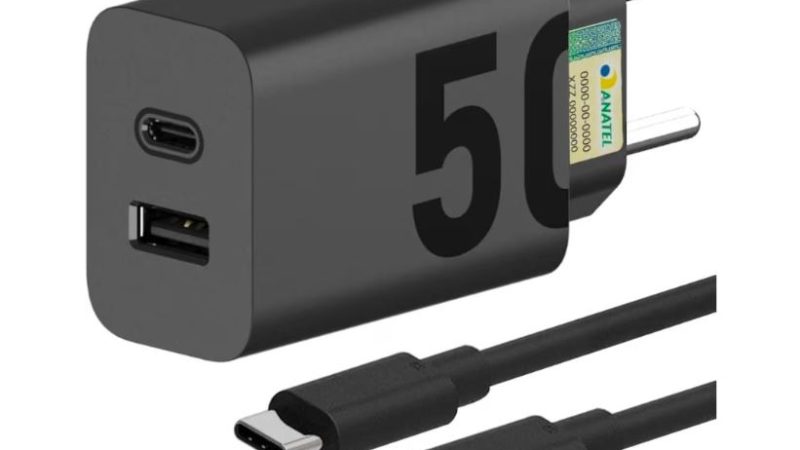
Kenya has introduced new regulations requiring all mobile phones sold in the country to support USB Type-C charging, effectively phasing out low-end devices widely used by millions.
The directive by the Communications Authority of Kenya sets minimum technical standards for smartphones, tablets and feature phones, commonly known as kabambe.
Under the new rules, all devices must feature USB Type-C charging ports with detachable cables, replacing older systems such as Micro-USB and proprietary connectors.
The authority says the move aims to standardise charging technology, improve safety and reduce electronic waste caused by discarded chargers.
USB Type-C has become the global industry standard due to its ability to deliver faster charging and high-speed data transfer across devices including phones, laptops and tablets.
The policy mirrors similar measures adopted in the European Union and other markets seeking to harmonise charging systems and cut consumer costs.
Impact on affordability and access
The regulations are expected to significantly affect the availability of low-cost feature phones, which rely on older charging ports and remain popular among low-income users.
These devices are widely used for basic communication, particularly in rural areas where affordability remains a key factor.
Industry observers warn the move could limit access to mobile connectivity unless manufacturers introduce cheaper USB-C compliant alternatives.
The rules also exclude older generation smartphones, including devices that use proprietary charging systems such as Apple’s Lightning connector, which was phased out starting with newer models.
Broader technical standards introduced
Beyond charging requirements, the Communications Authority has outlined 12 minimum standards aimed at improving device performance and safety.
Mobile devices must support at least eight hours of talk time and 24 hours of standby time, ensuring longer usability for consumers.
Power plugs must comply with Kenya’s three-pin Type G socket standard or be sold with compatible adapters.
The guidelines also introduce mandatory accessibility features, including screen readers, text-to-speech functionality and real-time captioning to support users with disabilities.
Officials say these measures are designed to enhance inclusivity and ensure devices are compatible with current and future telecommunications networks.
Global shift toward standardisation
Kenya’s move reflects a growing global push to adopt universal charging standards and reduce electronic waste.
Countries such as India and Saudi Arabia are implementing similar policies requiring USB Type-C adoption across mobile devices.
Regulators argue that a common charging system will reduce duplication of accessories, lower costs for consumers and minimise environmental impact.
It remains unclear when the new rules will take full effect or what penalties will be imposed on manufacturers and vendors who fail to comply.
The Communications Authority has not provided detailed timelines, leaving industry players awaiting further guidance.