Police face quagmire as concerns mount over death of Albert Ojwang
 June 9, 2025
4 min read
June 9, 2025
4 min read

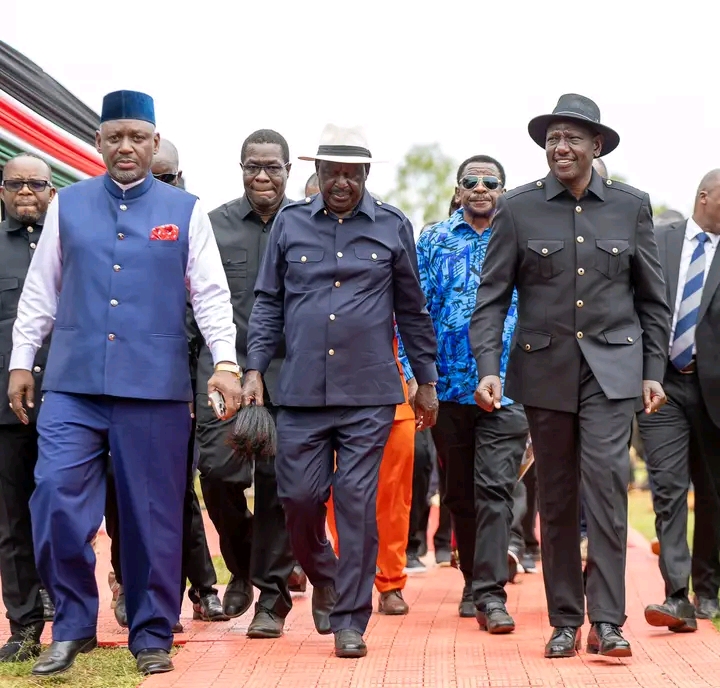
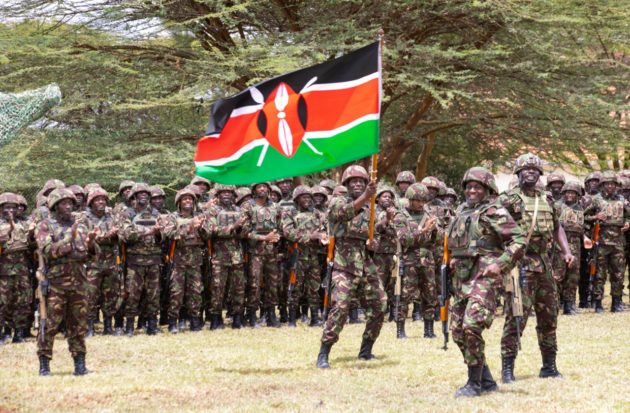
This picture is used to illustrate this story.
The National Police Service finds itself in a deepening quagmire following the controversial death of Albert Ojwang, a case that has sparked public outrage, questions over police conduct, and intense scrutiny from human rights organizations and government officials alike.
On Monday, 9 June 2025, Inspector General of Police Douglas Kanja, Director of Criminal Investigations (DCI) Amin Mohammed, and other top security chiefs addressed the media in an unprecedented joint briefing aimed at clarifying the circumstances surrounding Ojwang’s death and outlining measures to restore public confidence.
What exactly happened to Albert Ojwang?
Albert Ojwang’s death has become a flashpoint, raising concerns about police accountability and operational transparency. Official reports state that Ojwang died during an altercation with police officers who were responding to unrest in his neighborhood. However, eyewitness accounts and video footage that have circulated widely on social media paint a more complex and disturbing picture.
According to IG Douglas Kanja, the police were responding to a violent disturbance when “unforeseen circumstances escalated the situation.”
“The officers were faced with a volatile environment where their safety was also under threat. The use of force was calibrated to the level of resistance encountered.”
However, critics argue that Ojwang’s death reflects a pattern of excessive force, calling into question whether the police followed proper protocols.
“We need to establish whether this was a case of self-defense or an avoidable tragedy,” said human rights activist Grace Mwangi, who has called for an independent inquiry.
Who Is accountable?
The issue of accountability remains central to the controversy. IG Kanja assured the public that a thorough investigation is underway.
“No one is above the law. We have already suspended the officers involved pending the outcome of investigations,” he stated firmly.
DCI Amin Mohammed outlined the steps the Criminal Investigations Department is taking to ensure transparency.
“We are gathering evidence, interviewing witnesses, and reviewing all available footage. Our goal is to provide a clear and unbiased report,” he said.
Still, many citizens remain skeptical. “There’s often a disconnect between official investigations and actual justice. The public demands more than promises; we want concrete actions,” said community leader Samuel Otieno.
In the joint media briefing, Douglas Kanja, Amin Mohammed, and other security officials acknowledged the challenges police face in balancing enforcement with respect for human rights.
“Policing in volatile environments is inherently risky,” said IG Kanja. “We operate under immense pressure to maintain order, protect lives and property, and respect constitutional rights. This incident underscores the need for better training and clearer engagement rules.”
DCI Amin Mohammed added, “Our officers are also citizens. They need support, guidance, and accountability structures to navigate complex situations without resorting to excessive force.”
The chiefs emphasized ongoing reforms within the police service aimed at improving professionalism and community relations, including enhanced training on de-escalation techniques and human rights compliance.
How public is reacting?
Public reaction has been swift and impassioned. Protests demanding justice for Albert Ojwang have erupted in various parts of the country, with demonstrators calling for systemic police reforms and accountability.
“We mourn Albert’s death and demand answers. This is not just about one man, but about the culture within our police service that must change,” said protest organizer Lydia Kamau.
The police leadership has promised a detailed report within the coming weeks, and a commission of inquiry is being considered to ensure an independent and thorough investigation.
IG Kanja stressed, “We must learn from this tragedy to prevent future occurrences. Police-community trust is vital for national security and cohesion.”
Meanwhile, the government has called for calm and patience as investigations continue. Interior Cabinet Secretary Najib Balala urged the public to allow due process to take its course.
Police regain public trust?
The death of Albert Ojwang is a stark reminder of the delicate balance between security enforcement and civil liberties. Rebuilding trust will require more than statements—it demands concrete reforms, accountability, and transparent communication.
Security expert Helen Mutiso commented, “The police must demonstrate commitment to change by holding individuals accountable and engaging communities sincerely. Only then can the cycle of mistrust be broken.”
At its core, this case highlights broader issues confronting policing in Kenya: use of force, human rights, and the rule of law. It poses difficult questions about how law enforcement agencies can effectively maintain order without alienating the very citizens they serve.
The coming weeks will be critical in shaping Kenya’s policing future. Will the authorities rise to the occasion and deliver justice for Albert Ojwang and others affected by similar incidents? Or will the cycle of controversy and mistrust continue?

Related Articles