Zimbabwe tightens grip on critical minerals with export suspension
 February 25, 2026
2 min read
February 25, 2026
2 min read

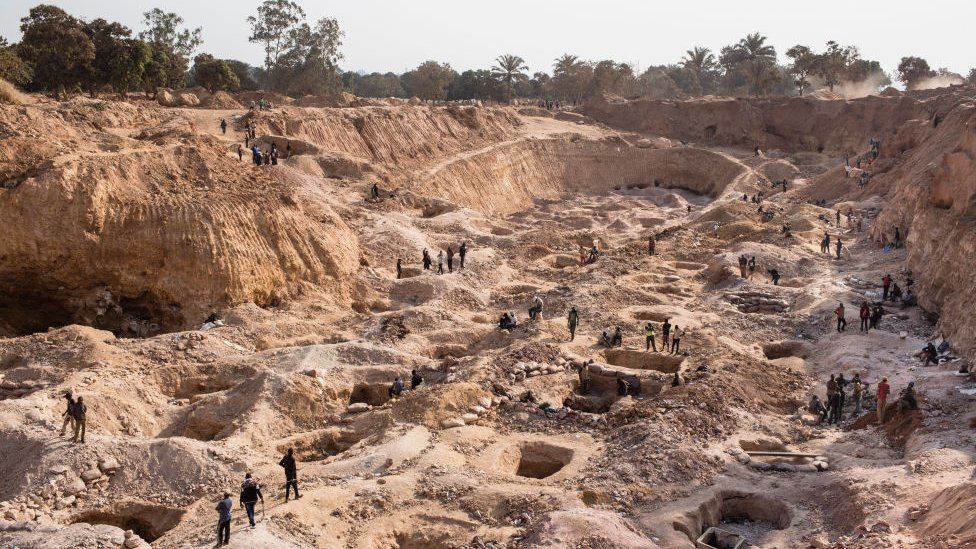
Zimbabwe has suspended the export of all raw minerals and lithium concentrates with immediate effect, marking a sharp escalation in its efforts to retain more value from its vast mineral wealth.
In a statement issued Wednesday, Mines and Mining Development Minister Polite Kambamura said the directive applies to all unprocessed minerals, including shipments currently in transit. The government framed the move as being in the “national interest” and called on mining companies to cooperate.
“Government remains committed to ensuring transparency, in-country value addition and beneficiation, compliance, and accountability in the exportation of Zimbabwe’s mineral resources,” the ministry said.
The export ban on lithium concentrates had previously been scheduled to take effect in January 2027. Authorities had hoped the delayed timeline would allow companies to invest in local processing facilities. The immediate suspension signals mounting frustration over compliance and export practices.
In a letter dated Feb. 17 and addressed to the Chamber of Mines of Zimbabwe, the ministry cited concerns over “continued malpractices during the exportation of minerals.” The review of export procedures, it said, is intended to curb leakages and improve oversight.
Zimbabwe holds Africa’s largest lithium reserves and has rapidly increased production in recent years. Official data show the country exported 1.128 million metric tons of lithium-bearing spodumene concentrate in the year ending December 2025 — an 11% increase from the previous year. Most shipments are sent to China, where they are refined into battery-grade materials used in electric vehicles and energy storage systems.
Mining is Zimbabwe’s second-largest contributor to gross domestic product after manufacturing, accounting for 14.3% of output, according to World Bank data.
The export suspension underscores Zimbabwe’s growing assertiveness over its mineral resources — and signals that foreign miners may face stricter oversight as Harare seeks greater returns from the global race for critical minerals.
AGENCIES

Related Articles