
Kenya opposition politics has entered a new phase after rival factions within Orange Democratic Movement held parallel National Delegates Conferences, exposing a deepening leadership struggle following the dominance of Raila Amolo Odinga.
The parallel meetings, held at Jamhuri Park and Ufangamano House in Nairobi, brought to the surface a growing split between two camps within ODM.
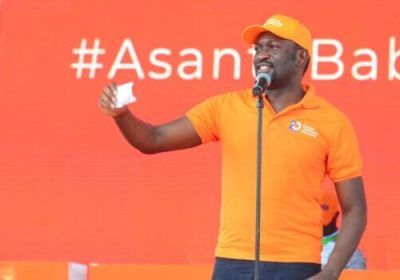
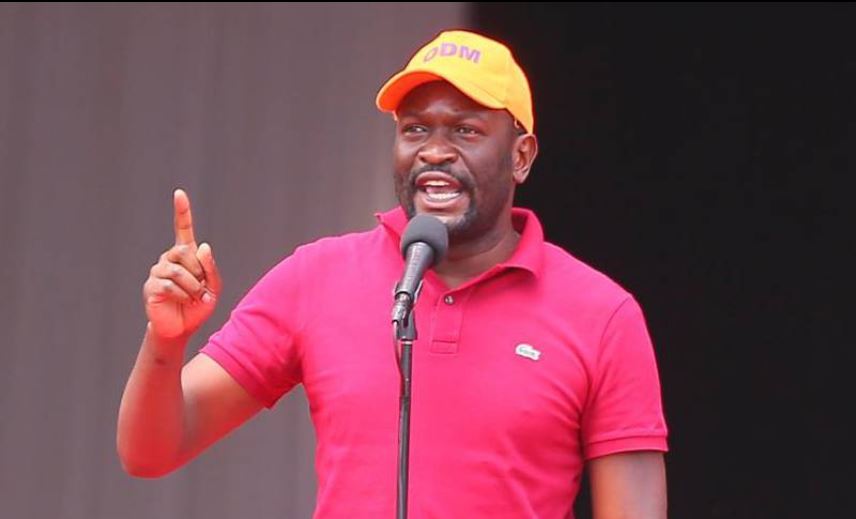
One faction, known as Linda Ground, is aligned with Oburu Oginga, while the Linda Wananchi group is led by Secretary General Edwin Sifuna.
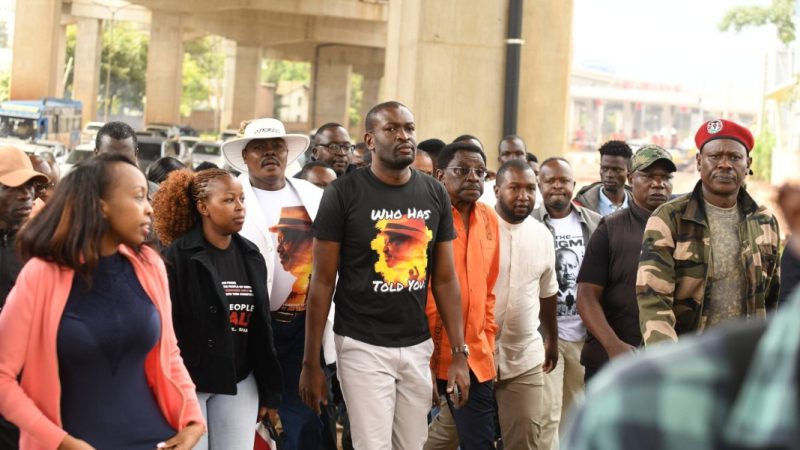
At Ufangamano House, Sifuna camp attracted large numbers of supporters, many invoking the legacy of Raila. A heavy police presence was reported outside the venue, with anti-riot officers deployed as tensions rose.
Sifuna urged supporters to remain firm, saying they should not be intimidated by security forces. Siaya Governor James Orengo backed the faction, declaring that the “soul” of ODM remained with the Ufangamano meeting and dismissing the rival gathering as unconstitutional.
Sifuna also signaled a fallout with senior party officials aligned to the opposing camp, including National Chairperson Gladys Wanga and Elections Director Junet Mohammed.
Jamhuri meeting ratifies leadership changes
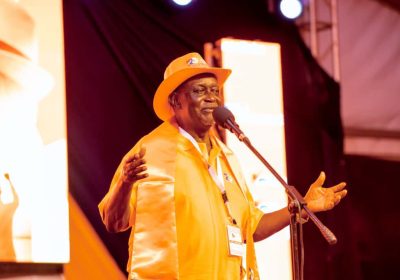
At Jamhuri Park, the Oburu-led faction moved to formalise its control of party structures through leadership changes and confirmations.
The meeting endorsed Oburu alongside Kisii Governor Simba Arati and Mombasa Governor Abdulsamad Nassir as deputy party leaders. Gladys Wanga was ratified as national chairperson.
Vihiga Senator Godfrey Osotsi was removed from his deputy leadership role after aligning with the Ufangamano meeting, which he described as the legitimate “people NDC”.
The expected appointment of Winnie Odinga as deputy party leader did not materialise. She instead called for unity and urged leaders to avoid expulsions.
Oburu said the party would not expel members but warned that those causing disunity would be removed from leadership positions.
Coalition politics deepen divisions
Differences between the two factions widened further over the party’s strategy ahead of the 2027 General Election.
Oburu announced plans to form a technical team to negotiate a possible coalition with President William Ruto United Democratic Alliance.
However, leaders allied to Sifuna rejected the proposal. Embakasi East MP Babu Owino said their focus remained on defeating Ruto in 2027 and opposed any engagement with UDA.
Junet Mohammed said ODM would not allow UDA to field candidates in areas considered its strongholds, insisting zoning would be a key condition in any negotiations.
Saboti MP Caleb Amisi criticised the Oburu faction, warning that internal divisions risk undermining the party legacy built over the years.
The parallel meetings have left ODM at a crossroads, with questions emerging over whether the party can remain united without the influence of Raila.
The unfolding rivalry reflects deeper divisions over ideology, leadership and political strategy, with one faction leaning towards structured alliances and the other focusing on grassroots mobilisation.
As both camps plan their next moves, the future direction of ODM remains uncertain in the run-up to the next election cycle.