
Civil society organizations are raising concerns over how Kenya human rights commission is handling a critical reparations process, warning that lack of transparency and clarity could undermine justice for victims.
In a joint statement released Monday, Vocal Africa and partner organizations called on the Kenya National Commission on Human Rights to uphold transparency, institutional independence and a victim centred approach as it rolls out compensation for victims of human rights violations.
The appeal follows a High Court judgment delivered on 4 December 2025, in Petition E010 of 2025, which affirmed the commission as the sole constitutionally mandated body responsible for overseeing reparations and compensation.
The court also directed the commission, in line with a presidential proclamation, to develop a comprehensive reparations framework within 60 days.
Transparency concerns
The coalition acknowledged the complexity of the task, citing the scale of violations, the number of victims and the urgency required in delivering justice. However, it said these challenges should not compromise accountability.
Even within these constraints, the commission can and must do better, the statement said, emphasizing the need for clear procedures, timelines and eligibility criteria.
The groups warned that growing frustration among victims and their families could erode public trust, particularly as many remain uncertain about how to file claims or when compensation will begin.
Justice must not only be done, it must be seen to be done, the coalition said.
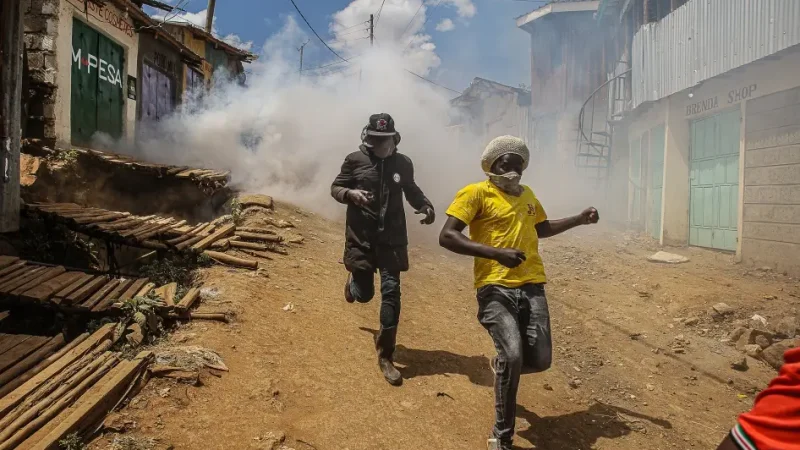
The organizations urged the commission to prioritize victims, especially those affected by recent incidents, including Gen Z led protests, where families continue to seek redress.
They also called for safeguards against political or administrative interference, warning that perceived influence from government quarters could damage the credibility of the process.
Among the recommendations, the coalition asked the commission to establish clear and accessible data submission points across the country and to collaborate with community based organizations and human rights defenders to improve outreach.
They further urged the commission to provide regular public updates to strengthen accountability and maintain confidence in the process.
The victims of human rights violations are not mere statistics, the statement said. They are individuals whose lives have been disrupted and families whose futures have been altered.
As pressure mounts, the effectiveness of the reparations process will likely serve as a key test of Kenya commitment to justice, accountability and the protection of human rights.