Israel hits Tehran amid Iran’s attack on Kuwaiti oil refinery
 March 20, 2026
3 min read
March 20, 2026
3 min read
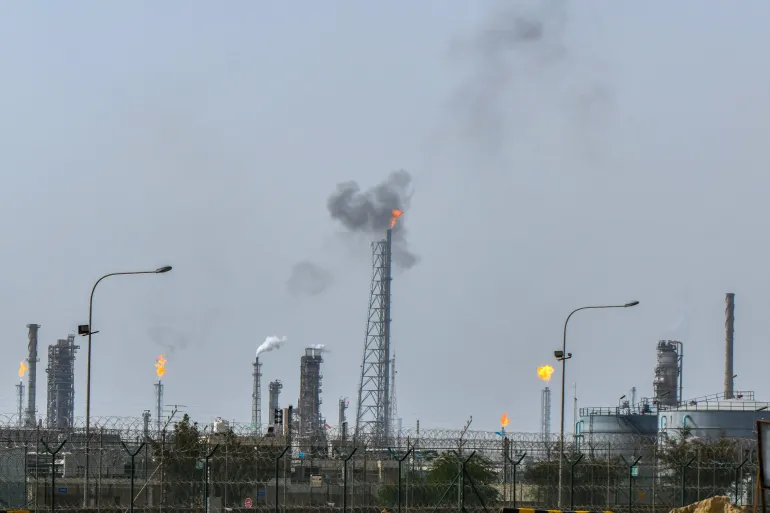
Iranian drones ignite fires at Kuwait's key Mina al-Ahmadi refinery for second day. Photo credit: AP
Simultaneously, explosions echoed over Iran’s capital, Tehran, from Israeli attacks coinciding with Nowruz festivities, heightening fears of broader regional turmoil and severe disruptions to global energy supplies.
Kuwait Petroleum Corp. confirmed the strikes on the Mina al-Ahmadi refinery, which processes approximately 730,000 barrels of oil per day. Emergency teams worked to contain blazes in several units, with no casualties reported. The facility, one of Kuwait’s three major refineries, had already sustained damage in a similar Iranian drone attack the previous day. Kuwait’s military reported active interception of incoming threats by air defenses.
Escalation targets energy lifelines
The attacks form part of Iran’s retaliatory campaign against Gulf Arab states following an Israeli strike earlier this week on Iran’s South Pars gas field — the world’s largest natural gas reserve and a critical source supplying about 80% of Iran’s domestic needs.
The Islamic Revolutionary Guard Corps has claimed strikes on U.S. forces at the UAE’s Al Dhafra airbase and sites inside Israel, while the UAE and Bahrain reported intercepting missiles and drones, with shrapnel causing minor fires.
Iran’s foreign minister has warned that strikes on Gulf infrastructure represent only “a fraction” of Tehran’s capabilities, vowing “zero restraint” if its own facilities face further attacks.
Israeli Prime Minister Benjamin Netanyahu stated Israel acted unilaterally on South Pars and agreed to pause additional energy-targeted strikes at the request of U.S. President Donald Trump, who has sought to distance Washington from direct involvement while urging de-escalation.
The conflict has severely impacted global energy flows. Qatar’s Ras Laffan — the world’s largest liquefied natural gas terminal — suffered major damage from Iranian strikes, potentially slashing roughly 17% of global LNG supply and costing an estimated USD20 billion in annual revenue. QatarEnergy officials estimate repairs could span three to five years, describing the setback as reversing regional progress by “10 to 20 years.”
Compounding the crisis, Iran has effectively choked the Strait of Hormuz — a vital chokepoint for about 20% of the world’s oil and LNG shipments — through threats, attacks on vessels, and insurance-driven halts in traffic. Energy prices have surged, forcing rationing in parts of Asia and Europe.
Regional and global repercussions mount
Analysts warn of deepening exposure for Asia and Europe if hostilities persist. Mujtaba Rahman of Eurasia Group described the situation as entering “an escalatory phase,” with prolonged war risking widespread economic fallout.
Overnight, Israel expanded strikes into Tehran, with residents hearing blasts during Nowruz. No immediate casualty details emerged from the capital. Sirens wailed in central Israel, including Tel Aviv, amid a second Iranian missile barrage, with defenses actively intercepting threats.
In a related development, Israel targeted infrastructure in Syria in response to attacks on the Druze minority in southern Suwayda province — a community with ties to Israel’s own Druze population.
Casualties continue to rise across fronts. More than 1,300 people have died in Iran from the ongoing war. Israeli operations against Hezbollah in Lebanon have displaced more than 1 million and killed more than 1,000, including more than 500 fighters, per Israeli claims. In Israel, 15 civilians have perished from Iranian missiles, plus four in the occupied West Bank. At least 13 U.S. military personnel have been killed in related incidents.
The war, now in its third week, shows no immediate signs of abating, with energy markets and civilian populations bearing the brunt as both sides press their campaigns.
AGENCIES

Related Articles