

Fresh scrutiny has engulfed two high-profile infrastructure projects in Mombasa and Nairobi after explosive documents obtained by Kurunzi News revealed contested land valuations, disputed compensation claims, and questions over procedures within the National Land Commission.
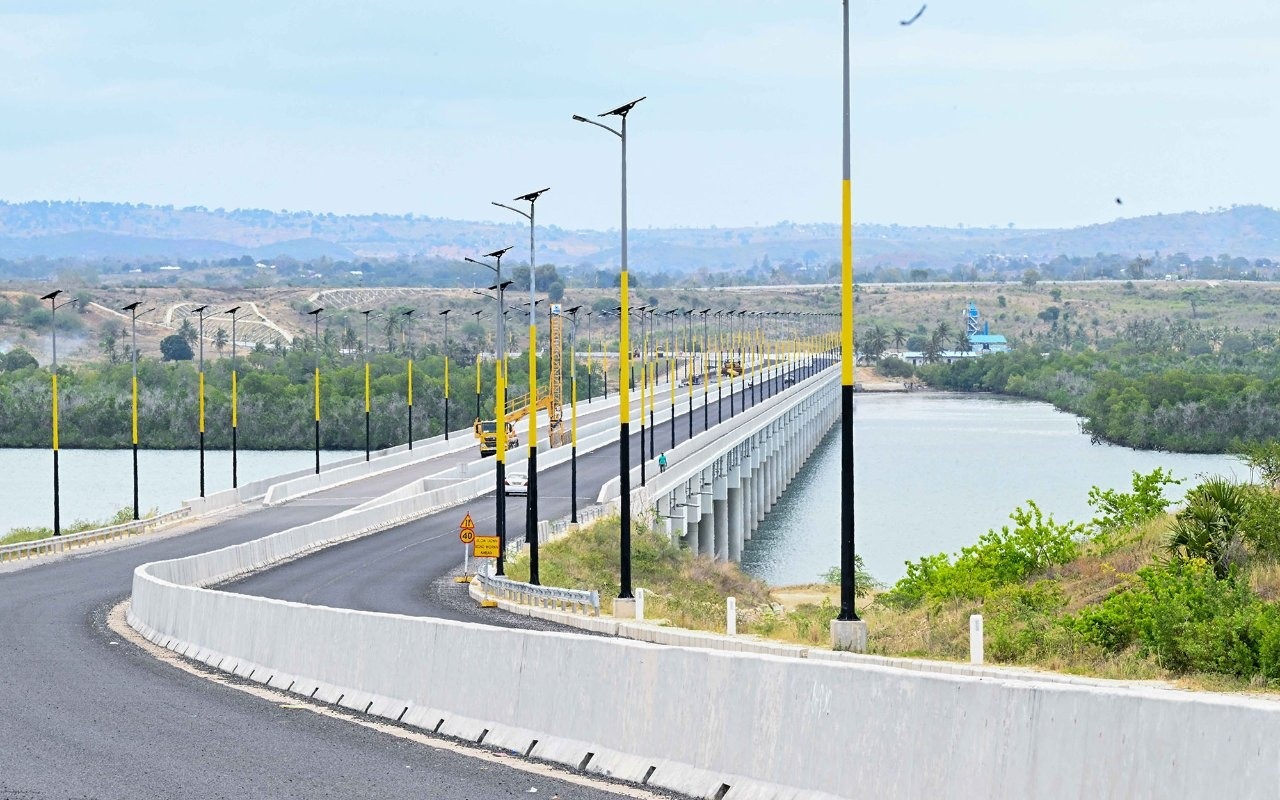
At the heart of the storm is the Mombasa Gate Bridge Project, also referred to as the ALBA scandal, involving parcels Mombasa/MS/Block 1/107 and Mombasa/MS/Block 1/108 in Likoni.
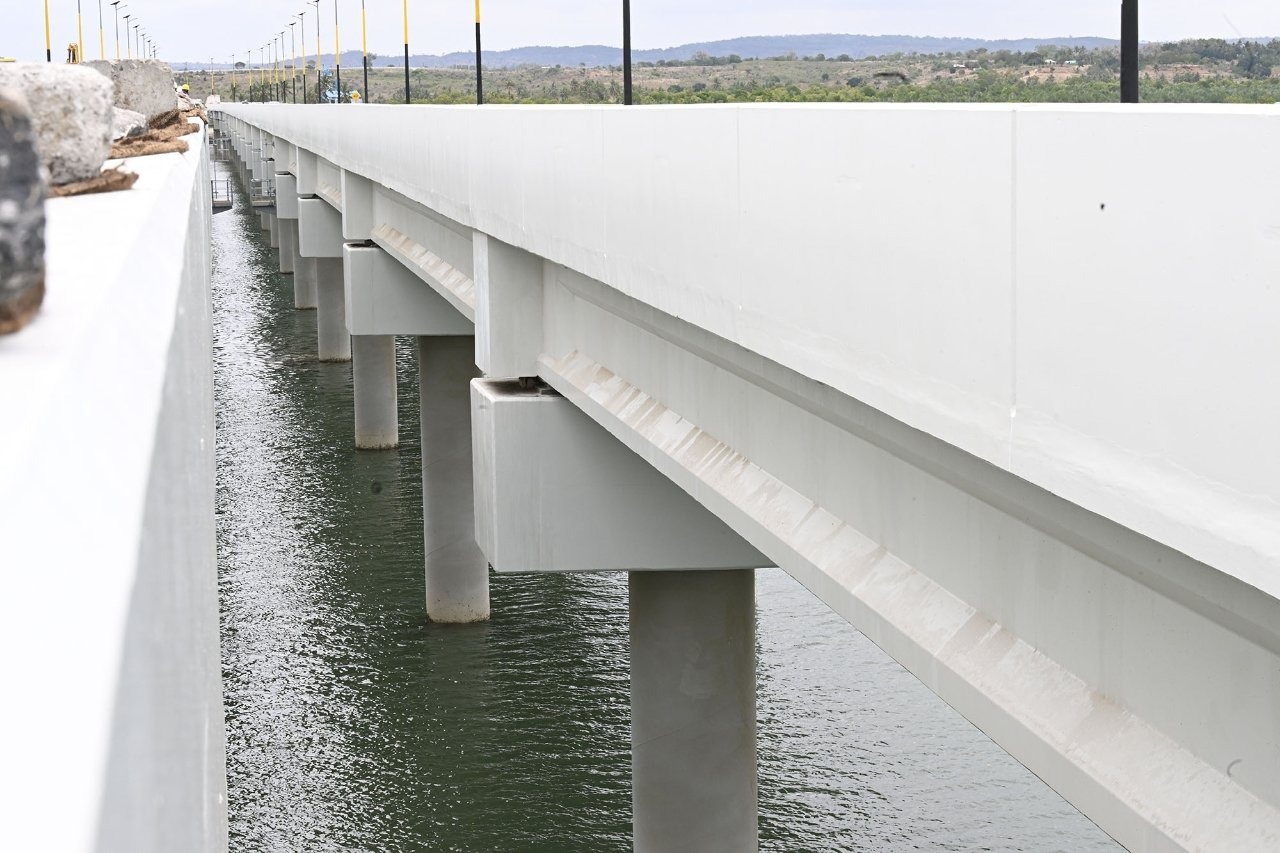
The multibillion-shilling project aims to construct a bridge over the busy ferry crossing—a flagship development meant to ease congestion and spur coastal growth.
But one Project Affected Person (PAP) remains unresolved – Alba Petroleum.
According to official records, the land was valued at KSh 546,367,300. However, Alba Petroleum is claiming compensation for “land, improvements, loss of business, and reimbursable costs,” totaling a staggering KSh 1.14 billion—more than double the original land valuation.
In submissions reviewed for this investigation, the company presented documents outlining ambitious future investments, including plans “to build a factory and a jetty” at a projected cost of KSh 840.4 billion—figures that differ significantly from the KSh 1.14 billion being claimed in compensation.
The discrepancy has triggered sharp questions about the basis of these figures.
Critically, documents note that “the land still remains vacant, with no tangible investment in place.” This observation undercuts the scale of the compensation demand and raises concerns about speculative claims tied to proposed, rather than existing, developments.
Investigators further flagged that the “original valuation seems to have been inflated, given the cost of property in the Likoni area.”
If accurate, this finding suggests potential overvaluation involving public funds in a project already under fiscal pressure.
Perhaps most troubling is the assertion that “NLC made compensation on intangible property, against laid-down procedures.”
Compensation frameworks under Kenyan law are designed to cover legally recognized interests, typically tied to verifiable developments or improvements. Paying out for intangible projections would mark a significant procedural breach.
The controversy threatens to overshadow the broader Gate Bridge initiative—a transformative project intended to replace the aging ferry system.
Instead, attention has shifted to whether due diligence and valuation safeguards were adequately enforced.
Meanwhile, in Nairobi, another land dispute is unfolding around the Eastern Missing Links Roads Project, a continuing infrastructure initiative initially handled by the Ministry of Lands pursuant to Gazette Notice Nos. 1519, 7587, and 9341 of 2015.
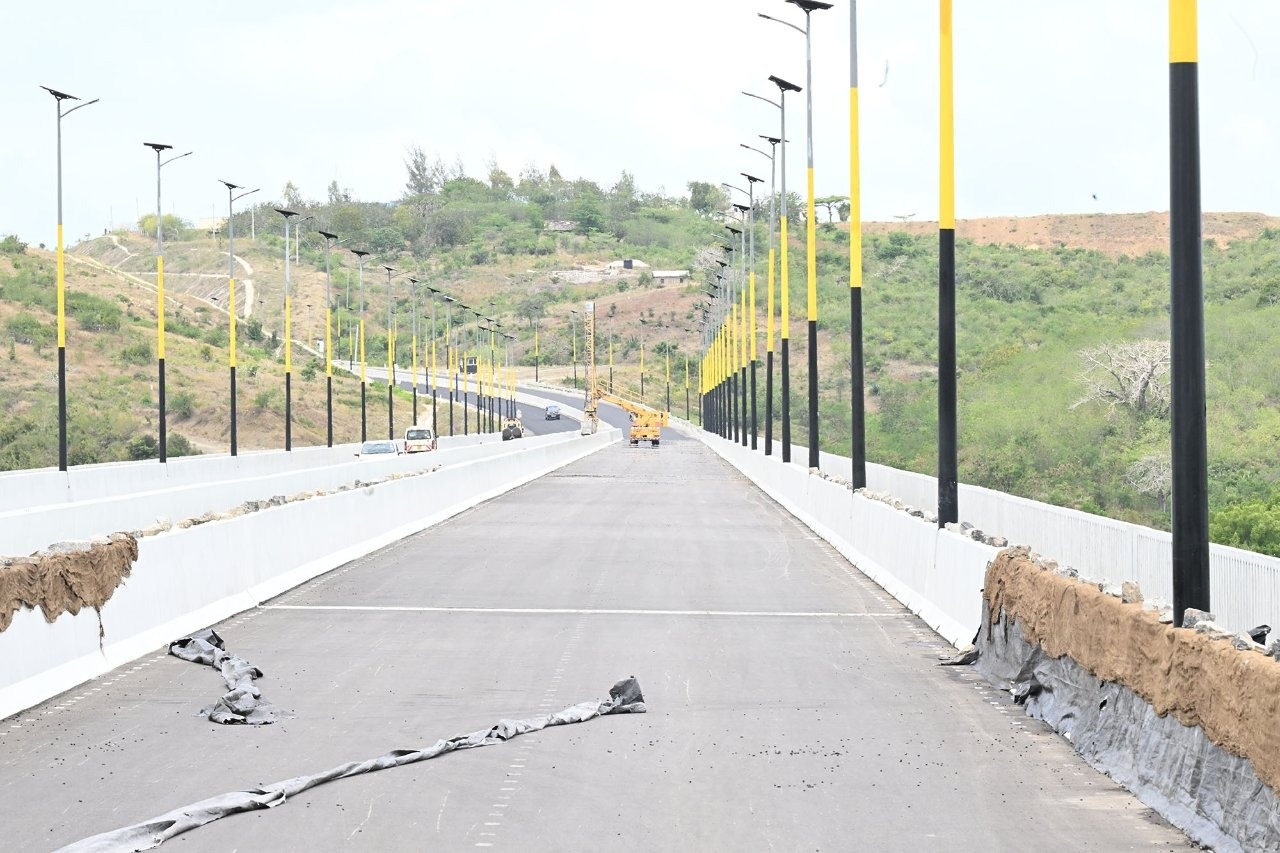
The project involves the expansion and construction of several link roads within the capital.
Following a request from the acquiring authority—the Kenya Urban Roads Authority (KURA)—through a letter dated September 11, 2025, the Commission published an addendum and inquiry notice via Kenya Gazette Notice No. 13848 of September 26, 2025.
The affected parcel, L.R. No. 209/12839, is claimed by Nyagoto Investments Limited. An inquiry into the land was held on October 14, 2025, at the Commission’s head office, as scheduled.
However, the history of the parcel reveals a tangled legal saga. The land had previously been revoked by the Land Registrar through Gazette Notice No. 9230 of July 29, 2011, because it had been “reserved for public purposes.”
It was later subdivided into L.R. No. 209/12839/1 (approximately 0.1212 hectares), utilized for road construction, and L.R. No. 209/21706 (approximately 0.0607 hectares), which remained registered under Nyagoto Investments Limited.
The revocation did not stand; it was successfully challenged and nullified by the High Court of Kenya (Milimani), restoring the company’s claim.
The overlapping timelines—revocation, subdivision, road construction, court nullification, and fresh inquiry—expose systemic tensions between public infrastructure expansion and private property rights.
They also raise concerns about coordination between state agencies, land registries, and the Commission during compulsory acquisition processes.
Together, the Mombasa Gate Bridge compensation row and the Eastern Missing Links dispute paint a troubling picture.
In both cases, land valuation, procedural compliance, and the handling of compensation claims sit at the center of controversy.
Infrastructure megaprojects are politically attractive and economically vital, but they also involve enormous public expenditure, making transparency and strict adherence to legal frameworks non-negotiable.
In the Gate Bridge case, the core questions remain: Why was land valued at over half a billion shillings now tied to a claim exceeding KSh 1.14 billion? On what basis were projected investments considered in compensation discussions? And why does documentation indicate that compensation may have included “intangible property, against laid-down procedures”?