
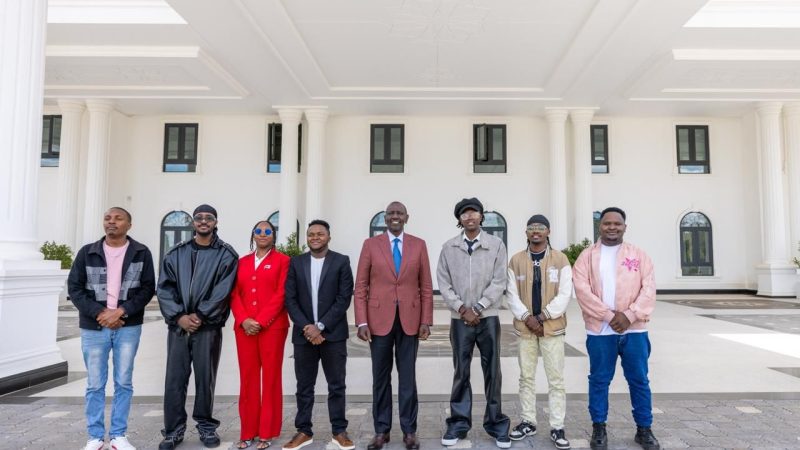
Kenya President William Ruto has pledged swift government intervention after Kenyan artists disclosed they had lost rights to hundreds of their own songs, exposing deep vulnerabilities in the country’s creative industry.
During a meeting on Wednesday, Gengetone and Urbantone artists described signing questionable contracts with foreign entities, agreements they say stripped them of ownership without fully understanding the implications. The disclosures highlight systemic gaps in legal protection within Kenya fast growing music scene.
According to the president, more than 700 songs are affected, including the widely popular track Sipangwingwi, which became a cultural anthem in 2022. The scale of the loss underscores the financial and cultural stakes involved.
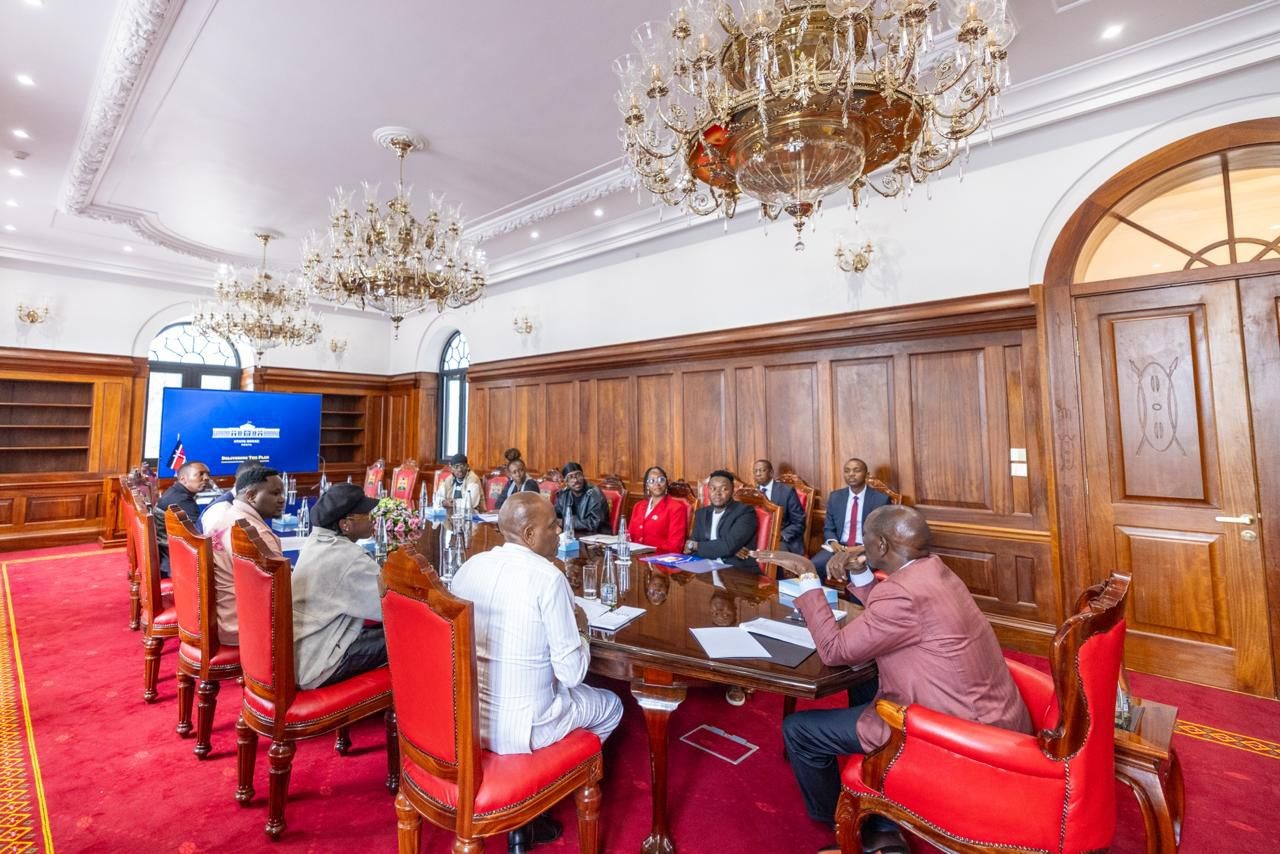
“These are young creatives who have shaped Kenya modern sound,” Ruto said, calling the situation regrettable and avoidable.
Ruto said the government has already facilitated legal support for affected artists, ensuring representation as they seek to reclaim their intellectual property through the courts.
“I have facilitated legal support to ensure they are adequately represented,” he said, signaling immediate action alongside longer term reforms.
Government response and reforms
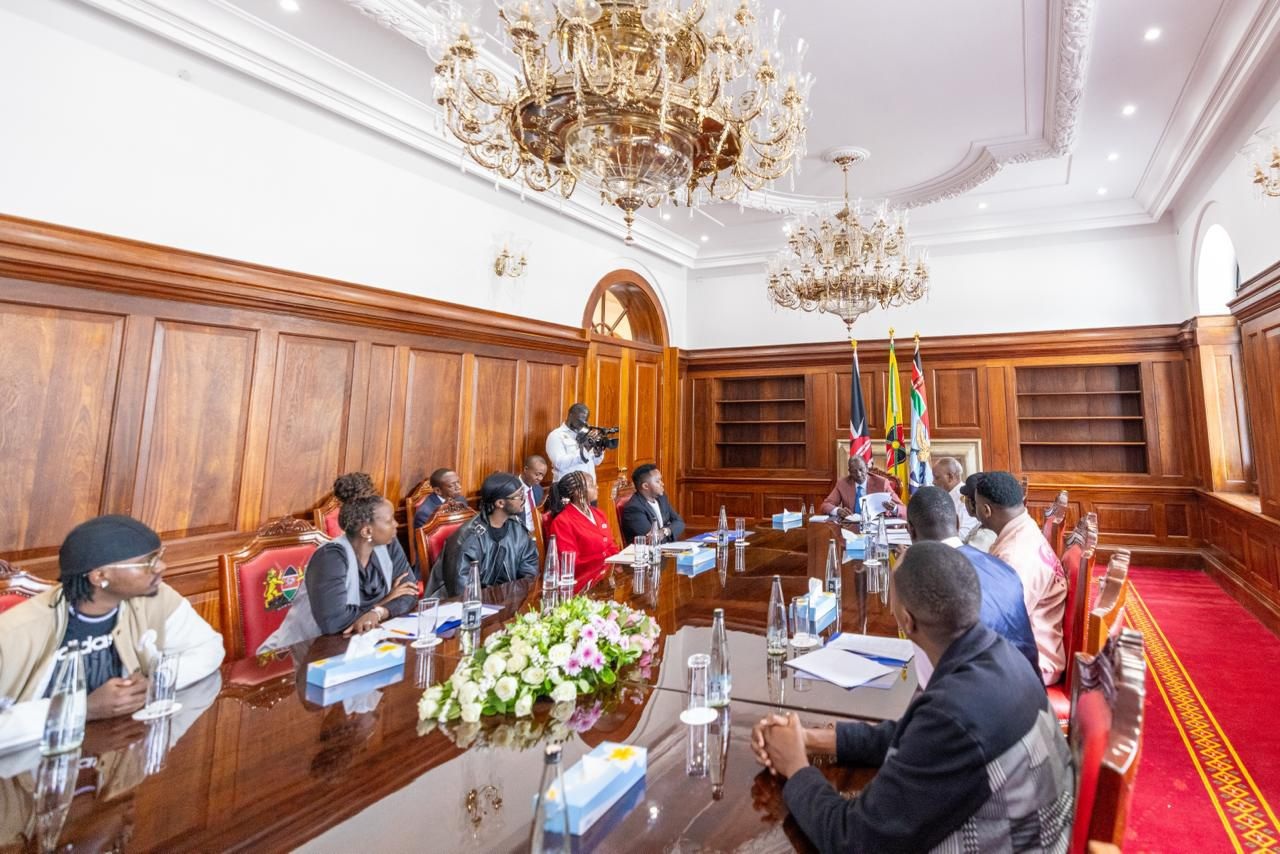
At the center of the proposed changes is the Creative Economy Bill 2026, which aims to regulate and formalize the sector. The bill is designed to strengthen intellectual property protections, standardize contracts, and ensure fair compensation for creatives.
Lawmakers, including Kimani Ichung’wah, have been tasked with fast tracking the legislation through the National Assembly.
Beyond legislation, the government is introducing digital tools to address longstanding concerns around royalty collection and distribution.
Ruto announced the rollout of a new system on the eCitizen platform, designed to streamline payments and improve transparency for artists.
“I informed them that the government has established a digital portal on eCitizen to aid royalty collection and distribution,” he said.
The platform is expected to reduce inefficiencies and eliminate disputes that have historically affected Kenya music industry.
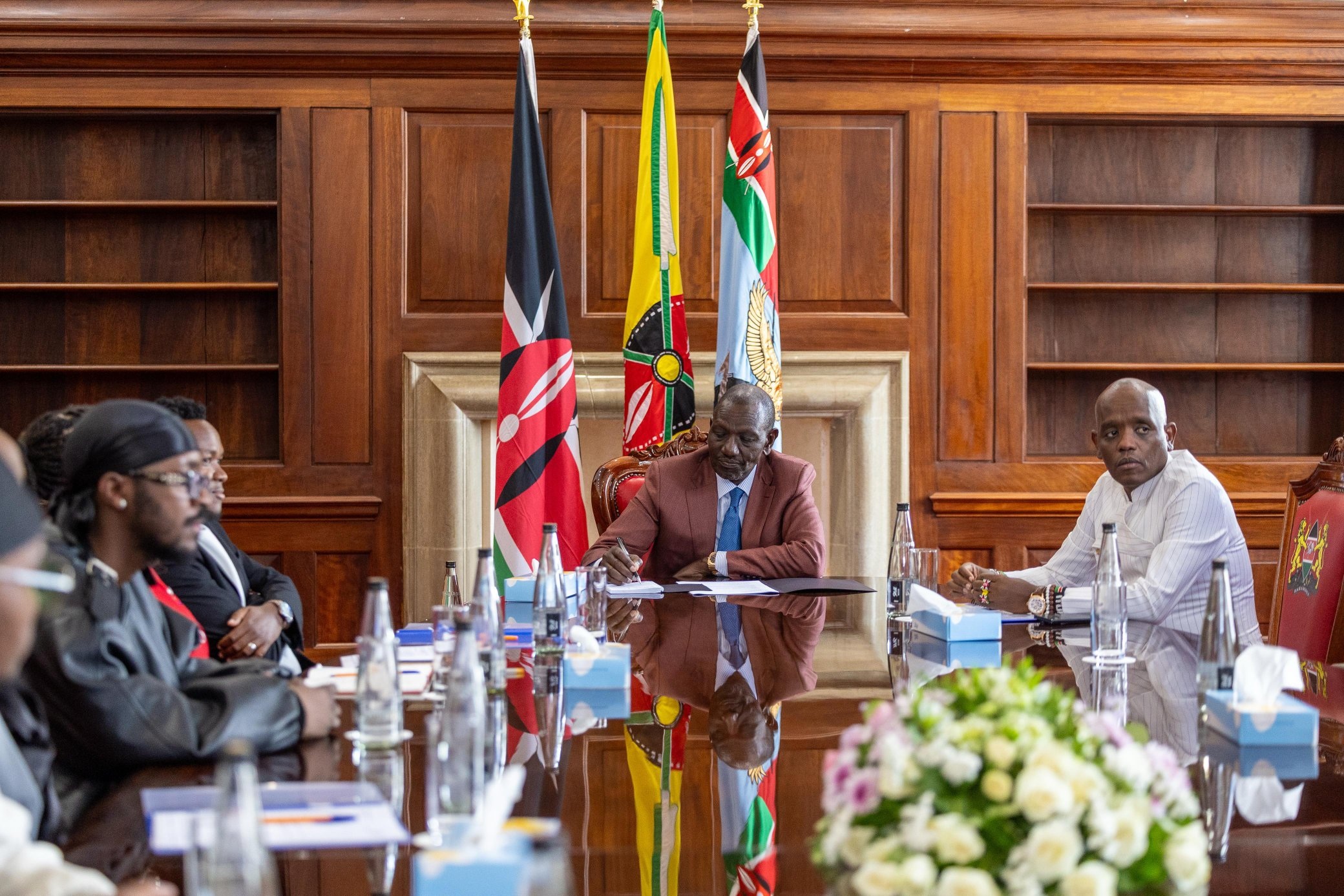
Kenya urban music scene, particularly Gengetone, has dominated youth culture in recent years, producing viral hits and shaping regional trends. However, the current crisis reveals a disconnect between creative success and legal protection.
Industry observers say the reforms could mark a turning point, transitioning the sector from informal operations into a structured economic pillar.
The government intervention signals growing recognition of creatives as key contributors to the economy. If successfully implemented, the proposed measures could restore ownership rights, improve earnings, and rebuild trust within the industry.
For the affected artists, the path forward may involve prolonged legal battles. Still, with state backing and policy momentum, there is cautious optimism that Kenya creatives will regain control of their work and secure a fair share of its value.