
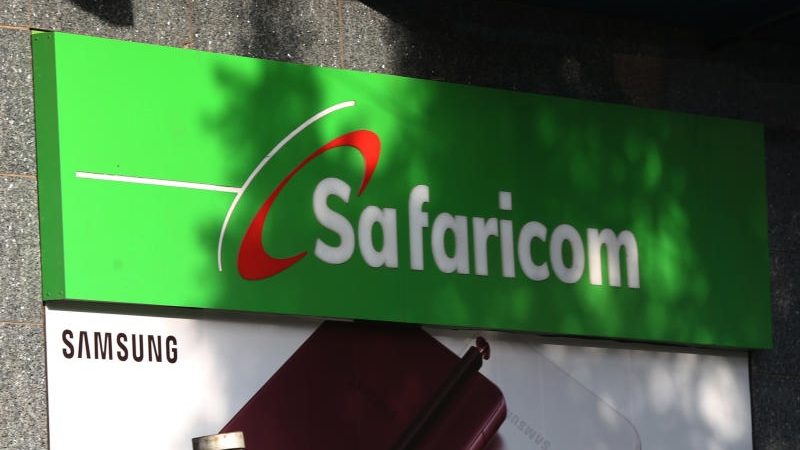
National Assembly has approved the government plan to sell a 15% stake in Safaricom to Vodacom, paving the way for a KSh240 billion transaction aimed at funding infrastructure development.
Lawmakers adopted a joint report from the Departmental Committee on Finance and National Planning and the Public Debt and Privatisation Committee, endorsing the partial divestiture in one of the country’s largest telecommunications deals.
The approval allows the National Treasury to proceed with the transaction from 1 April, subject to regulatory approvals and conditions outlined in the share purchase agreement.
The deal is expected to generate about KSh200 billion from the share sale, alongside an additional KSh40.2 billion in upfront payments structured as advance dividends. The funds will be channelled into the National Infrastructure Fund to support key development projects across the country.
Political debate and safeguards
The decision sparked debate in Parliament, with Suba South MP Caroli Omondi raising concerns over an ongoing court case challenging the transaction. He questioned whether lawmakers should proceed while the matter remains before the courts.
National Assembly Speaker Moses Wetang’ula dismissed the concerns, stating that Parliament is not a party to the proceedings and retains its constitutional mandate to conduct business.
Majority Leader Kimani Ichung’wah also downplayed the objections, noting that the issue had already been debated in the House.
Parliamentary committees attached conditions to safeguard public interest, including assurances that the transaction will not result in job losses and that Safaricom business model will remain intact.
Lawmakers also emphasised the need to protect customer data under existing cybersecurity laws and maintain regulatory oversight in the telecommunications sector.
Additionally, part of the payment structure requires upfront dividend compensation, ensuring immediate fiscal benefits while ring fencing the proceeds strictly for infrastructure development.
Safaricom has defended the transaction in court, arguing that it is lawful and subject to regulatory oversight. The company warned that halting the process could unsettle financial markets and weaken investor confidence.
If completed, the deal will increase Vodacom stake in Safaricom from 40% to 55%, giving it majority control, while the government shareholding will reduce from 35%.