
Europe long relied on North Africa for oil and gas, but a shift toward electricity trade is redefining the regions’ energy relationship.
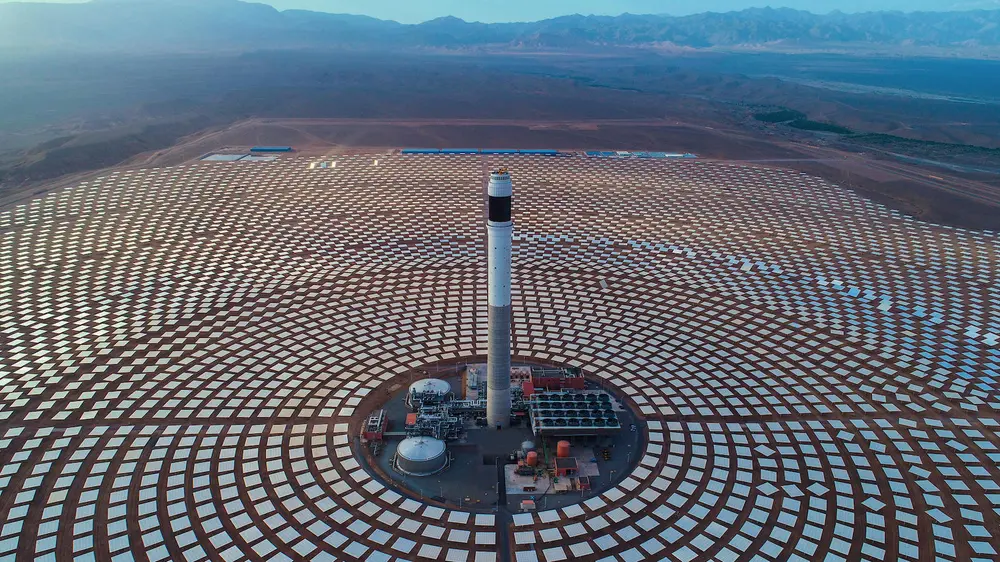
As European countries accelerate efforts to diversify energy sources and cut emissions, attention is increasingly turning to North Africa’s expanding electricity sector. With rising renewable capacity, improving grid infrastructure and new interconnection projects, electricity is emerging as a strategic complement to traditional hydrocarbon trade.
Analysts say the Mediterranean could soon serve as a major corridor not only for gas pipelines and LNG shipments, but also for cross-border power flows.
One of the most significant projects driving this shift is the ELMED interconnector, a planned subsea cable linking Tunisia and Italy. The infrastructure is expected to transmit up to 600 MW of electricity across approximately 220 km, enabling two-way energy flows between Africa and Europe.
Once operational later this decade, the link will allow North African countries to export surplus electricity, particularly from renewable sources, while also enhancing grid stability on both sides of the Mediterranean.
The project reflects a broader European strategy to strengthen interconnection capacity and integrate cleaner energy into the power mix.
Libya untapped electricity potential
Libya remains a largely domestic-focused electricity market but holds significant long-term potential as part of a regional power corridor. Ongoing discussions between Libya, Algeria and Tunisia have explored the creation of an “electric corridor” linking their grids.
Such a system could eventually connect to Europe through Mediterranean interconnectors, enabling electricity generated in North Africa to flow into European markets.
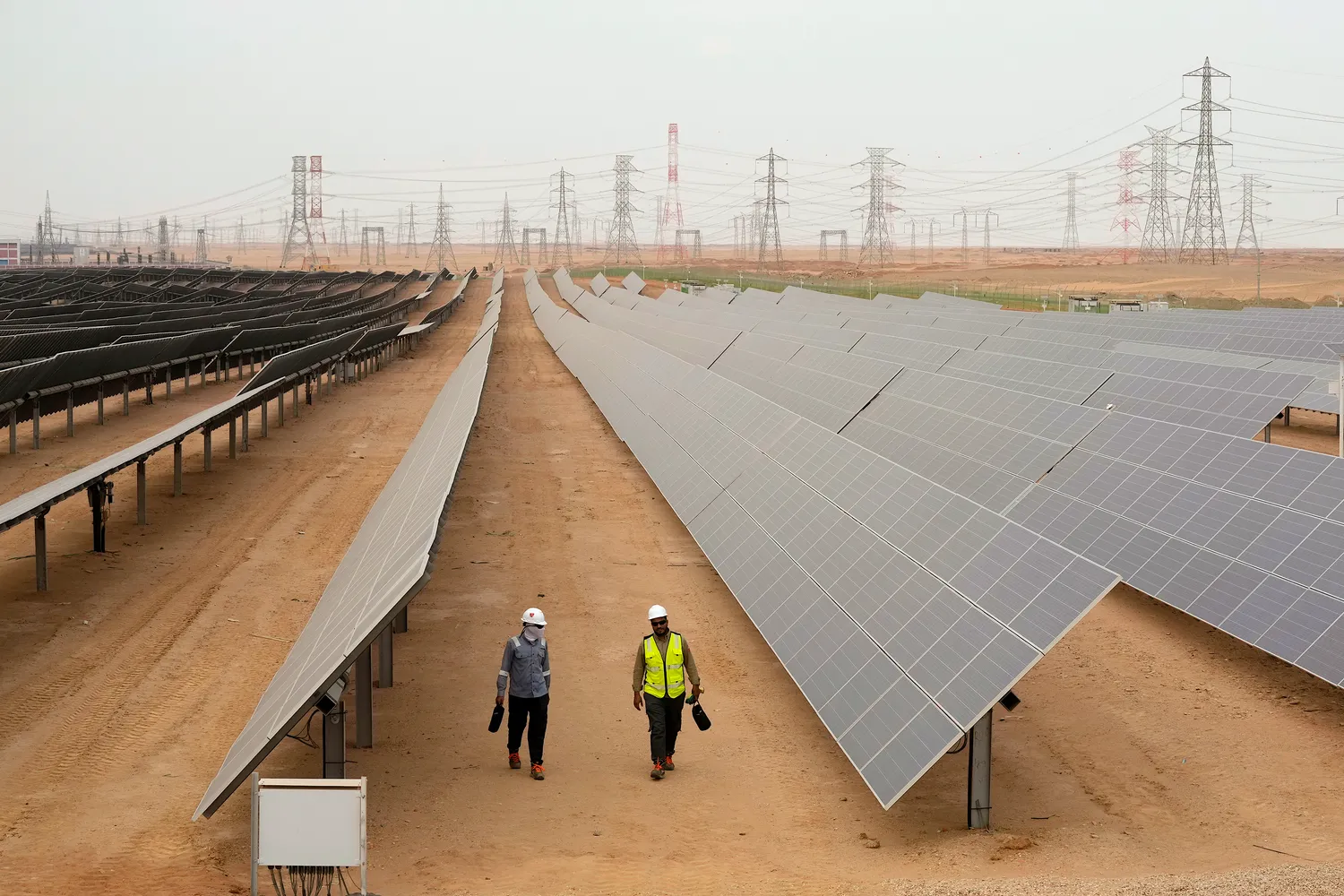
Libya’s power generation is currently driven mainly by natural gas, supported by the country’s substantial reserves. However, its geographic position and solar energy potential present opportunities for expansion into renewable energy exports.
With investment in grid modernization and regional transmission systems, Libya could become a flexible electricity supplier alongside its traditional role as a hydrocarbon exporter.
Electricity exports are not expected to replace Africa’s growing LNG sector but to complement it. Countries such as Nigeria, Mozambique and Senegal continue to strengthen their positions in global gas markets through expanding LNG production.
At the same time, gas-fired power plants in North Africa can provide stable baseload electricity for export through interconnectors. Combined with renewable energy, this creates a hybrid model that aligns with Europe’s decarbonization goals while maintaining supply reliability.
For European buyers facing volatile markets and geopolitical risks, diversifying into both LNG imports and electricity trade offers greater energy security.
Investment momentum builds
The shift toward electricity integration is drawing attention from investors and policymakers. Industry forums, including the Invest in African Energy Forum in Paris, are expected to focus on cross-border energy infrastructure and emerging opportunities in power generation and transmission.
Investment is not limited to power plants but extends to high-voltage transmission lines, subsea cables, storage systems and grid modernization technologies.
Although electricity trade between Europe and North Africa is still at an early stage, momentum is building quickly. The region’s combination of renewable resources, existing gas infrastructure and proximity to Europe positions it as a key future partner.
If current projects advance as planned, the Mediterranean could soon carry not only hydrocarbons, but also large-scale electricity flows, marking a significant shift in the global energy landscape.